Side effects and interactions
Why side effects happen, how medicines interact, and what the body does with a medicine.
Side effects
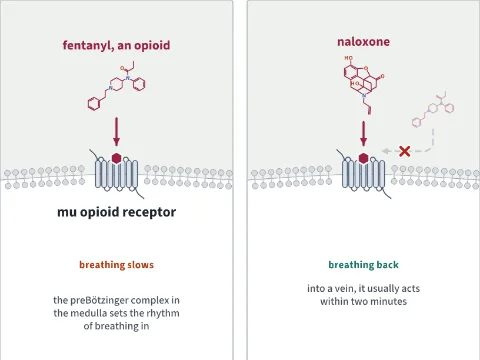
Antidotes & reversal
Blood & clotting
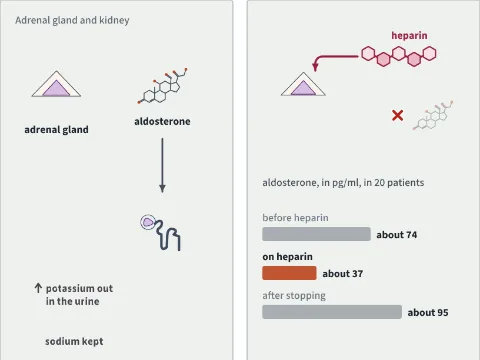
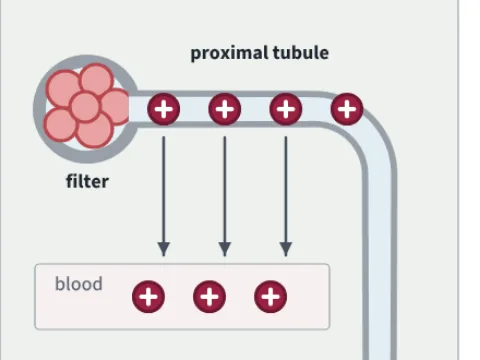
- Why heparin can raise potassiumLess aldosterone, less potassium let go
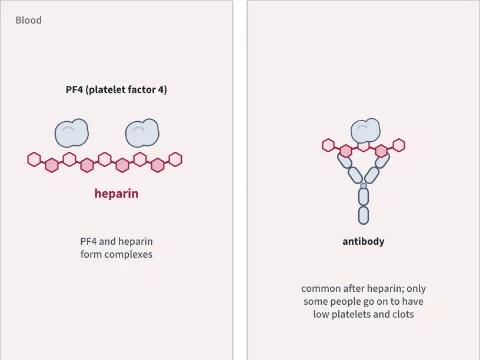
- Why heparin can lower platelets and cause clotsAntibodies to heparin bound to PF4 switch platelets on
Brain & nerves
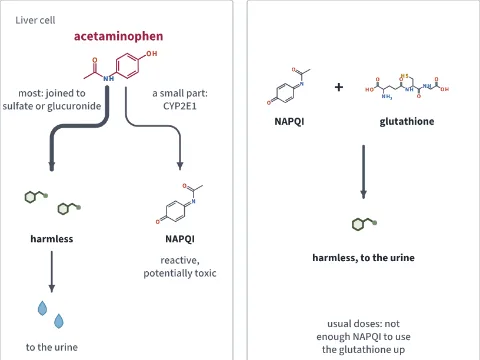
- Why too much acetaminophen harms the liverA toxic by-product, made harmless until the liver's glutathione runs out
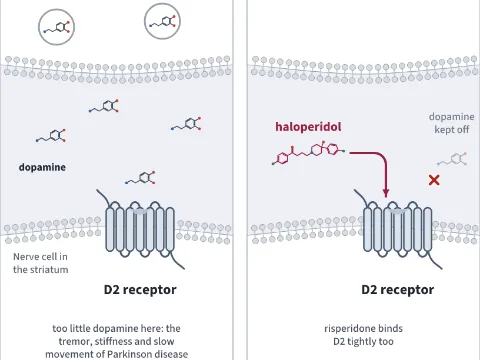
- Why antipsychotics can cause movement problemsBlocking dopamine's D2 receptors in the striatum, where dopamine is tied to movement
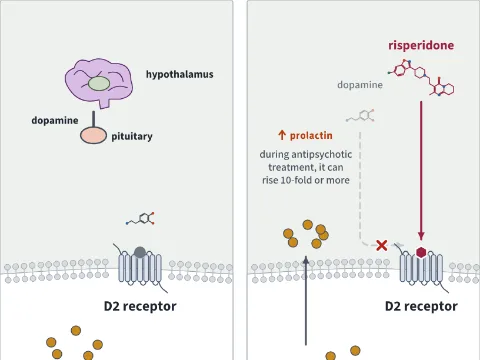
- Why antipsychotics can raise prolactinBlocking dopamine's brake on prolactin
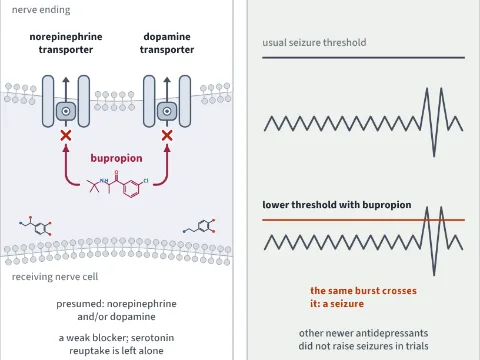
- Why bupropion carries a risk of seizuresAn antidepressant that lowers the seizure threshold; its seizure risk rises with the dose
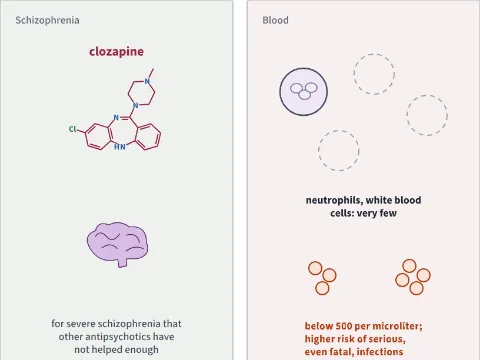
- Why clozapine can lower white blood cellsAn uncommon, mostly early fall in neutrophils, linked to a higher risk of serious infection
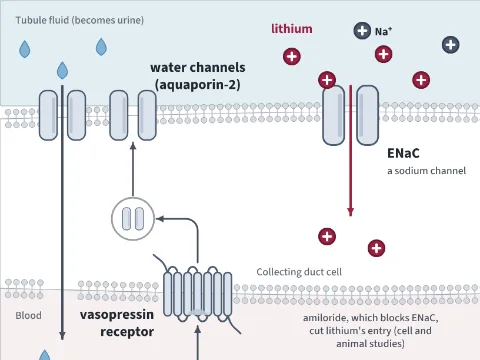
- Why lithium can cause diabetes insipidusFewer water channels in the kidney's collecting ducts, in cell and rat studies
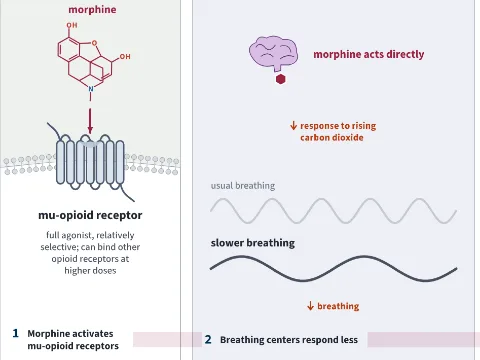
- Why morphine slows the gut and breathingTwo effects the label describes besides pain relief
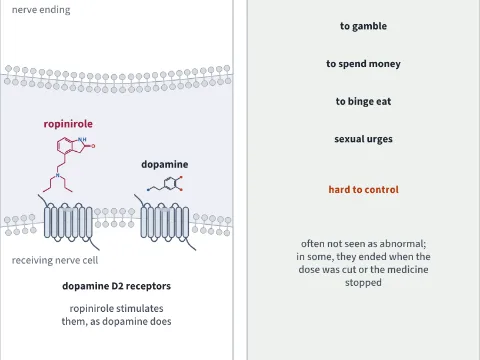
- Why ropinirole can bring on compulsive urgesA dopamine-like medicine for Parkinson disease and restless legs, and the urges it can bring
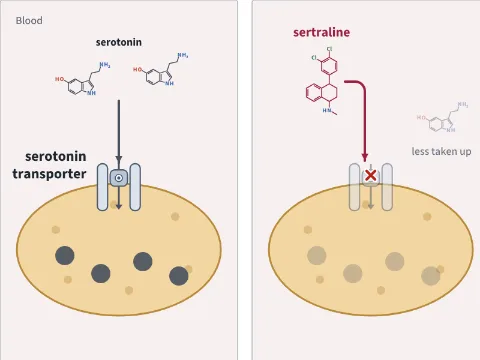
- Why SSRIs can raise the risk of bleedingPlatelets take up serotonin through the transporter SSRIs block
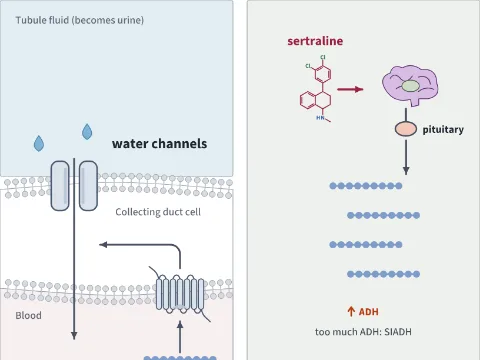
- Why SSRIs can lower sodiumToo much water kept back dilutes the blood's sodium
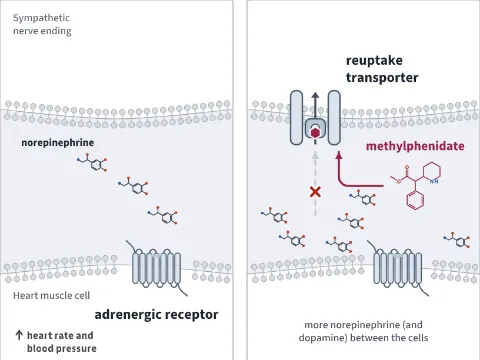
- Why stimulants can raise heart rate and blood pressureMore norepinephrine at the nerve endings
Cancer
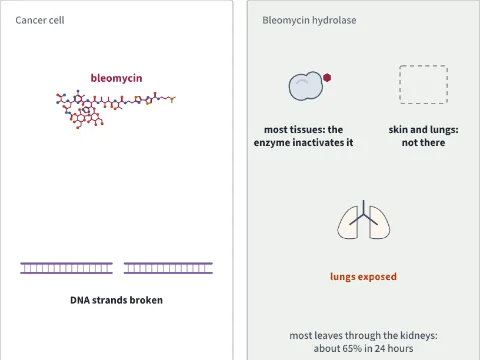
- Why bleomycin can scar the lungsAn enzyme breaks it down everywhere but the skin and lungs
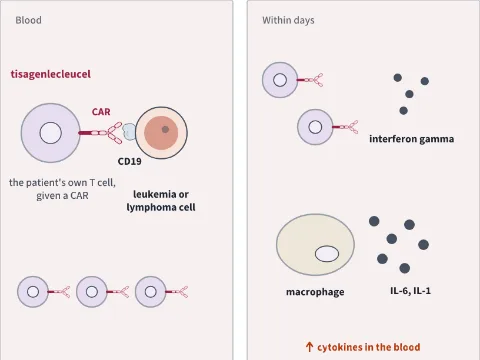
- Why CAR T cells can cause cytokine release syndromeA surge of immune signals as the engineered cells multiply
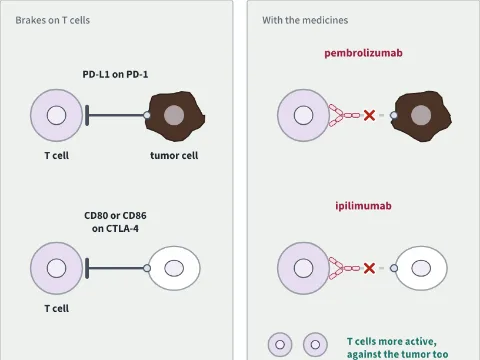
- Why checkpoint inhibitors can inflame healthy organsReleasing the brakes on T cells, against the tumor and sometimes the body
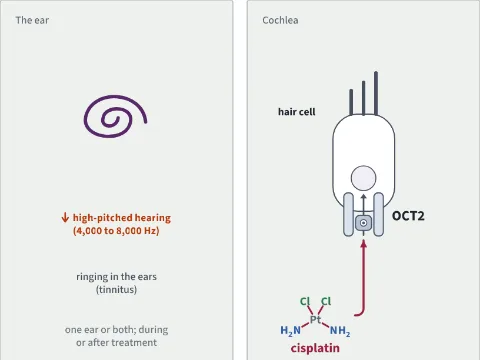
- Why cisplatin can harm hearingHigh notes go first
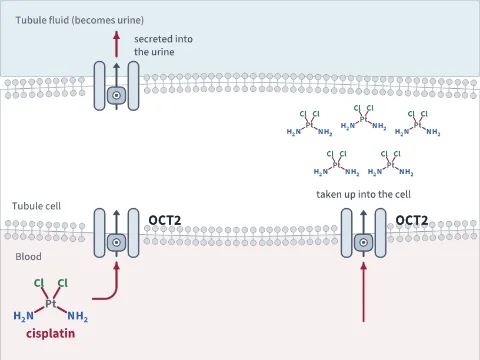
- Why cisplatin can harm the kidneysTaken up by the tubules that secrete it
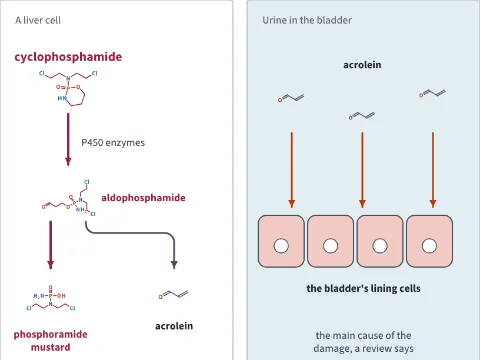
- Why cyclophosphamide can make the bladder bleedAcrolein, a by-product, harms the bladder's lining
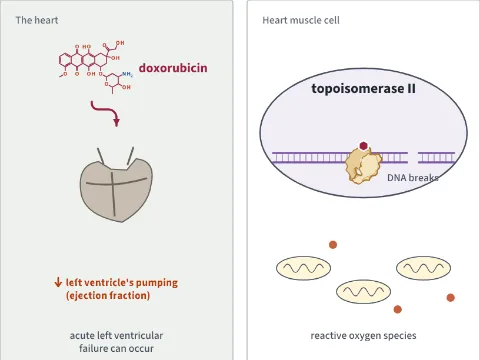
- Why doxorubicin can damage the heartDamage that builds with the total dose
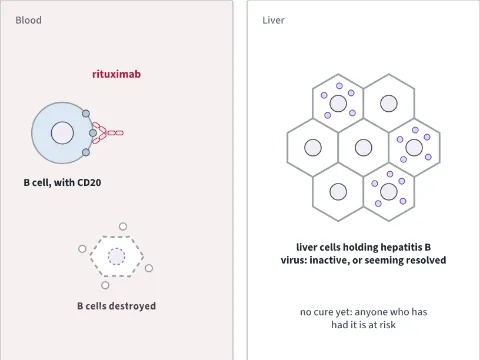
- Why rituximab can bring hepatitis B backRemoving B cells can let a quiet liver virus multiply again
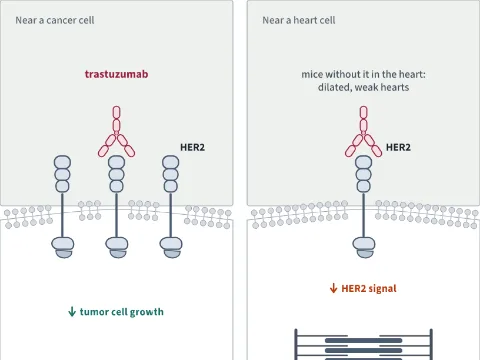
- Why trastuzumab can weaken the heartBlocking HER2 on cancer cells, and on heart muscle cells too
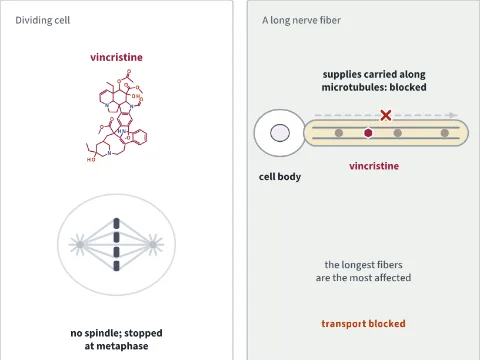
- Why vincristine can damage nervesA medicine that stops dividing cells also upsets the nerves' transport tracks
Digestion
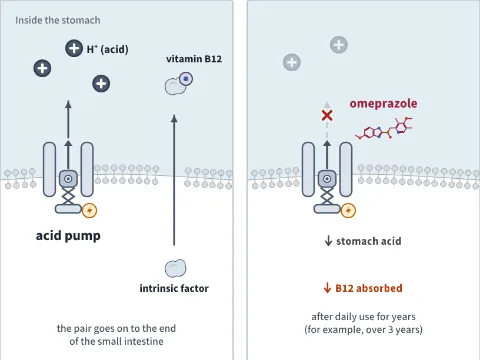
- Why PPIs and metformin can lower vitamin B12Less acid in the stomach, and possibly a harder way in at the end of the small intestine
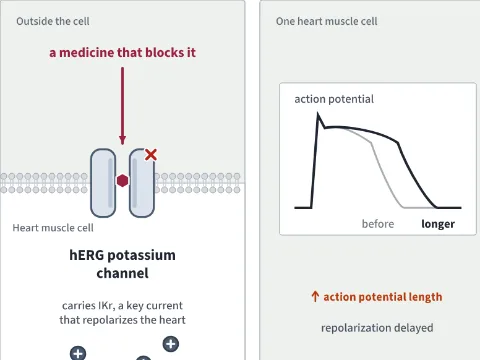
- Why some medicines lengthen the QT intervalBlocking the heart's hERG potassium channel delays repolarization
Heart & circulation
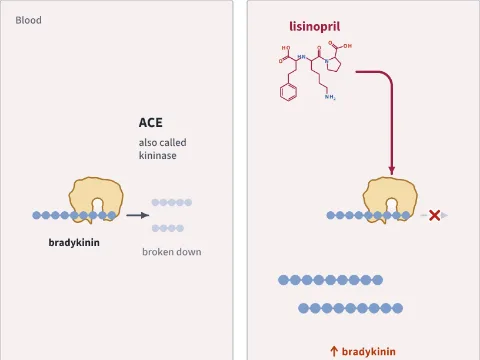
- Why ACE inhibitors can cause angioedemaBradykinin builds up and blood vessels leak
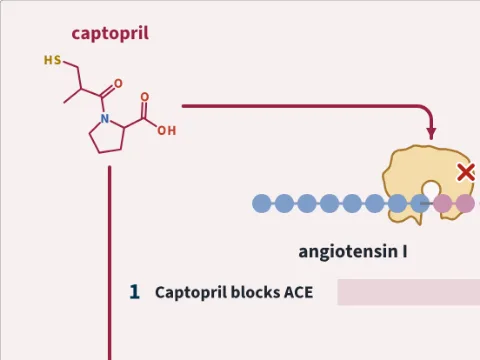
- Why ACE inhibitors can cause a dry coughBlocking ACE may also slow the breakdown of bradykinin
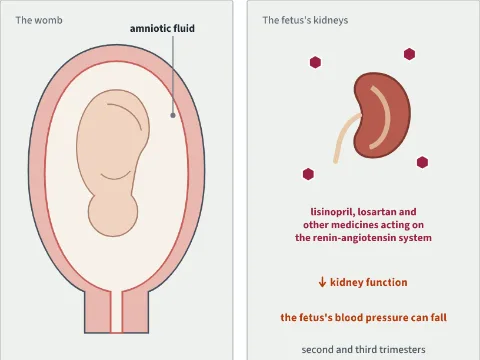
- Why ACE inhibitors and ARBs can harm a fetusThe fetus makes little urine, and the amniotic fluid runs low
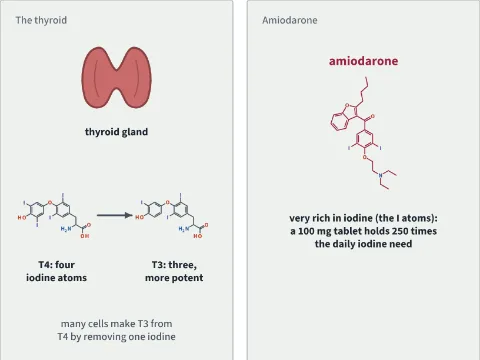
- Why amiodarone can upset the thyroidA load of iodine, and a block on activating thyroid hormone
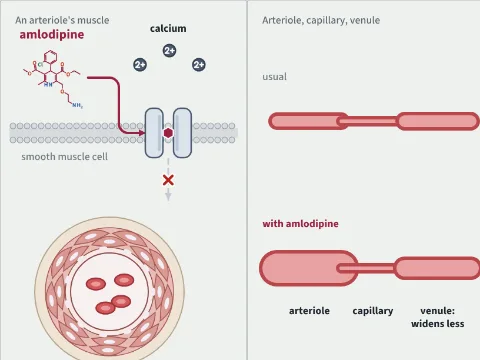
- Why amlodipine can cause swellingThe arterioles widen more than the veins
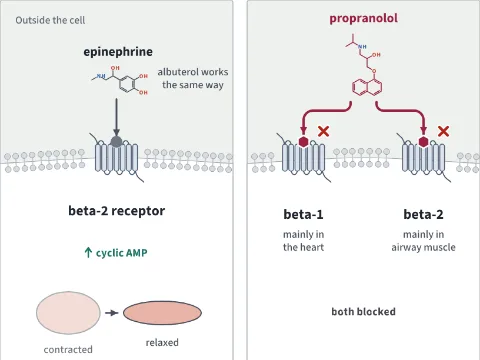
- Why beta-blockers can tighten the airwaysBlocking the beta-2 receptors that keep the airways open
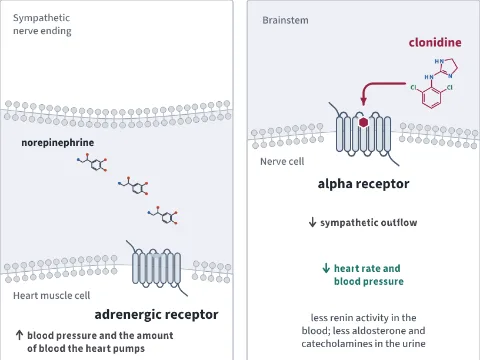
- Why stopping clonidine suddenly can raise blood pressureThe brake comes off the sympathetic nerves
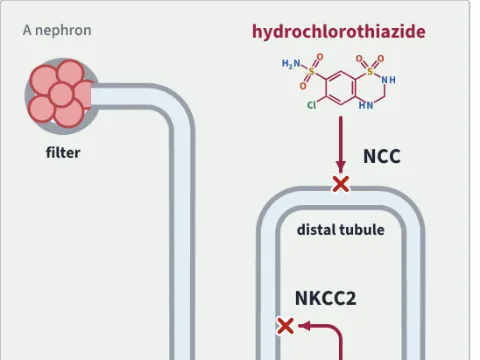
- Why diuretics can lower potassiumPotassium can leave in the urine along with the salt
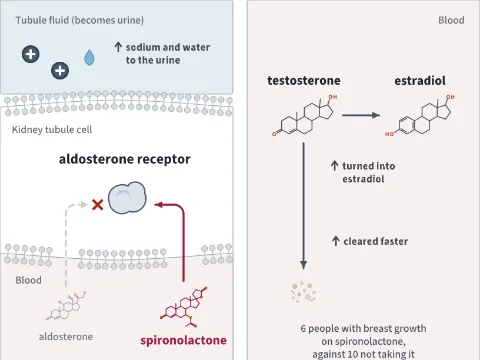
- Why spironolactone can cause breast growthThe balance of testosterone and estrogen shifts
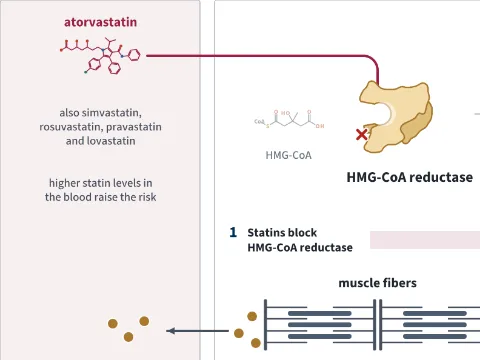
- Why statins can cause muscle problemsProbably from blocking HMG-CoA reductase in the muscle itself
Hormones & metabolism
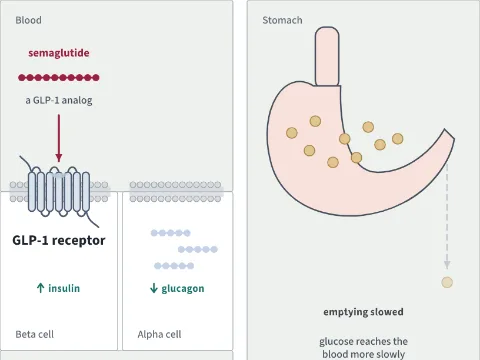
- Why GLP-1 medicines slow the stomachFood leaves the stomach more slowly
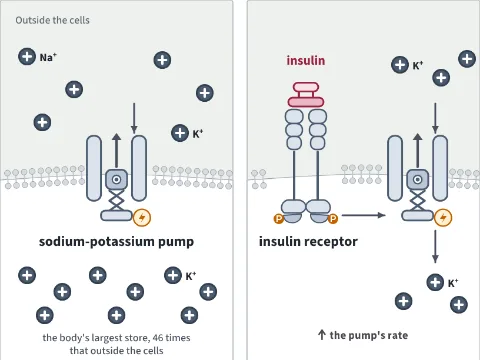
- Why insulin and albuterol can lower potassiumPotassium moves out of the blood into the cells
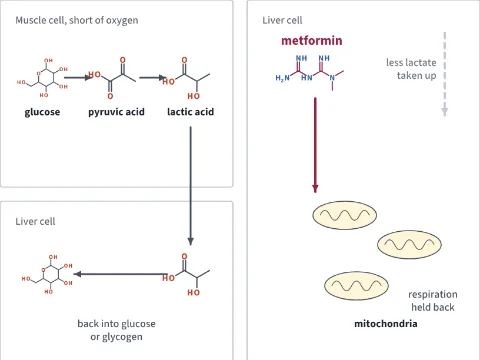
- Why metformin can cause lactic acidosisLactate builds up when metformin builds up
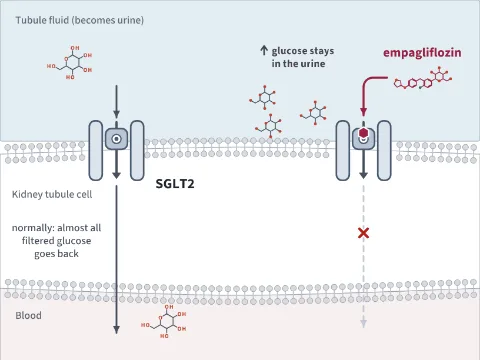
- Why SGLT2 inhibitors can cause genital yeast infectionsSugar left in the urine
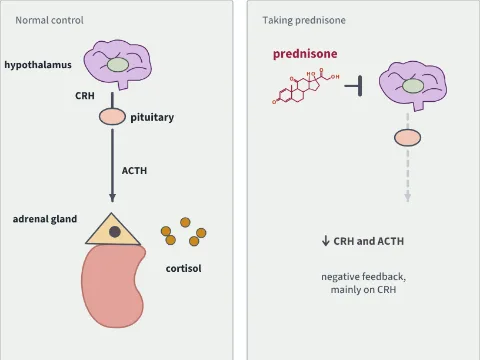
- Why steroid medicines can suppress the adrenal glandsThe body's own cortisol control can be turned down
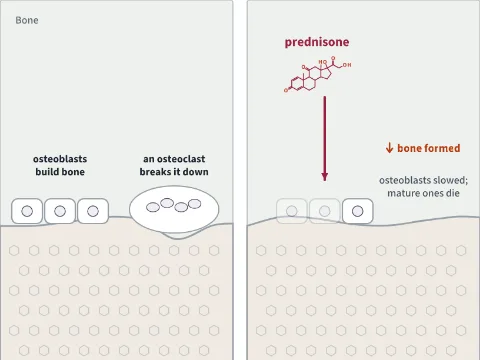
- Why steroid medicines can weaken bonesLess bone is built and more is broken down
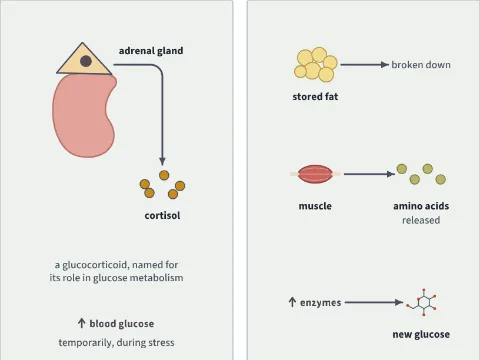
- Why steroid medicines can raise blood sugarCortisol's job of raising blood glucose, at medicine doses
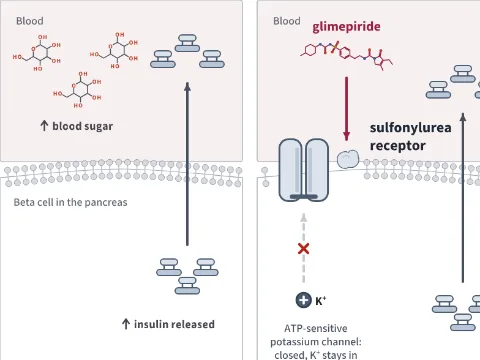
- Why sulfonylureas can cause low blood sugarInsulin is released whatever the blood sugar
Immune system
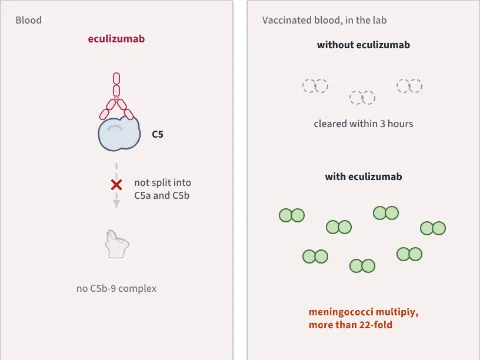
- Why eculizumab raises the risk of meningococcal infectionsBlocking the complement steps that kill meningococci
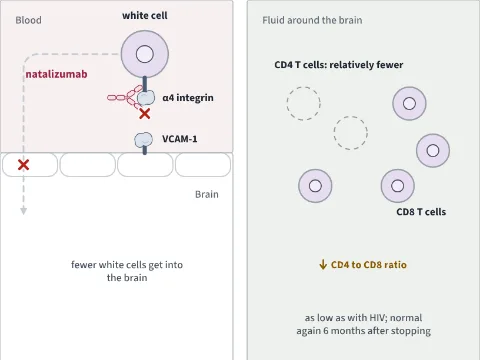
- Why natalizumab raises the risk of PML, a brain infectionKeeping immune cells out of the brain can let a common virus do harm
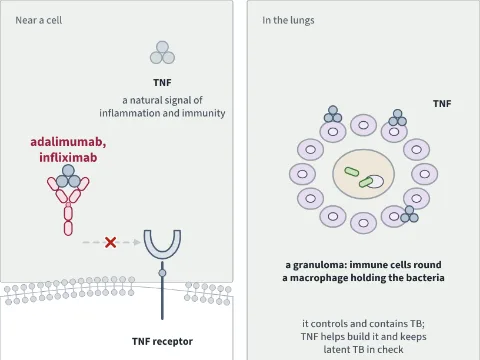
- Why TNF blockers such as adalimumab raise the risk of tuberculosisBlocking a signal that helps keep tuberculosis in check
Infections
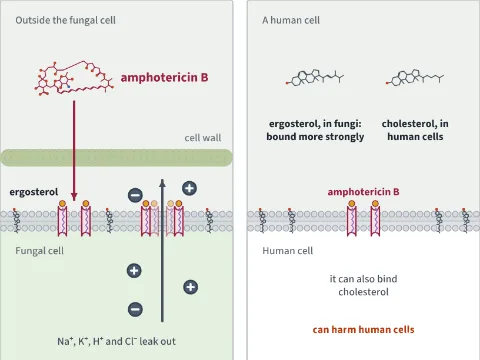
- Why amphotericin B can harm the kidneysIt binds fungal ergosterol best, but human cholesterol too
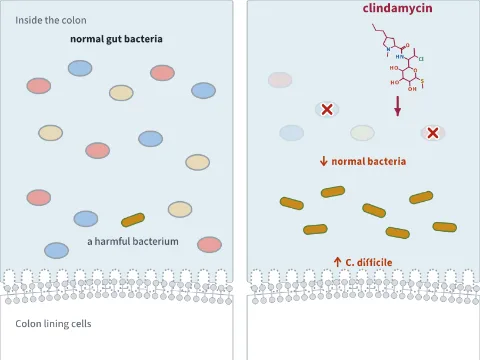
- Why antibiotics can cause C. difficile diarrheaThe gut's own bacteria are knocked back, and C. difficile takes over
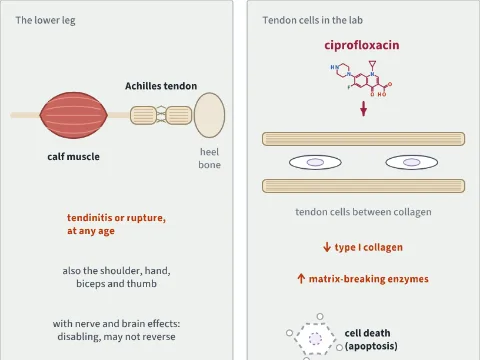
- Why fluoroquinolones such as ciprofloxacin can damage tendonsA rare but disabling harm, most often to the Achilles tendon
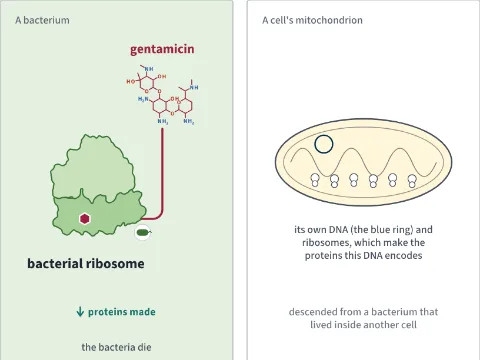
- Why gentamicin can damage hearing and balanceAn antibiotic that can reach the cell's own ribosomes
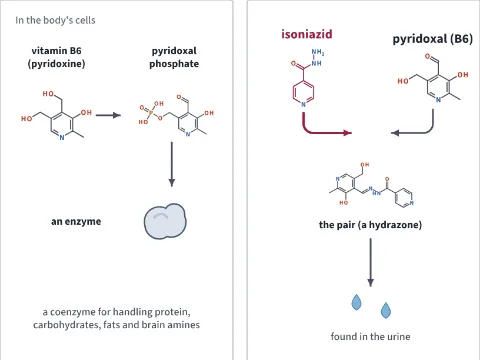
- Why isoniazid can damage nervesThe tuberculosis medicine works against vitamin B6
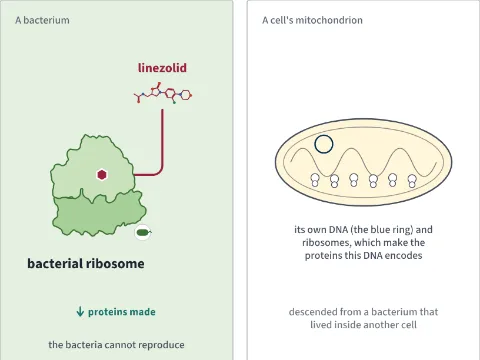
- Why linezolid can cause lactic acidosis and nerve damageA bacterial ribosome blocker meets the mitochondria
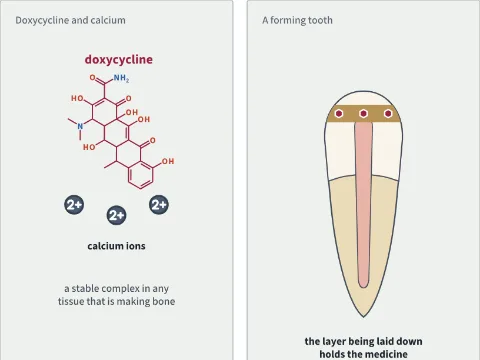
- Why tetracyclines can stain developing teethThey bind calcium where teeth and bones are forming
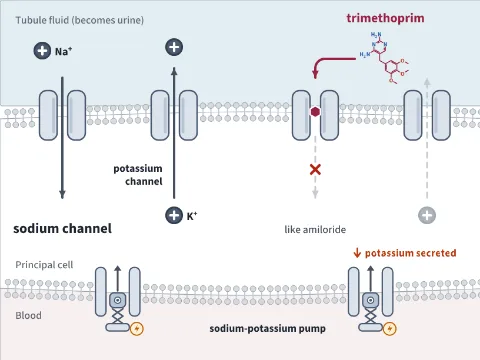
- Why trimethoprim can raise potassiumIt blocks the kidney's sodium channel, as amiloride does
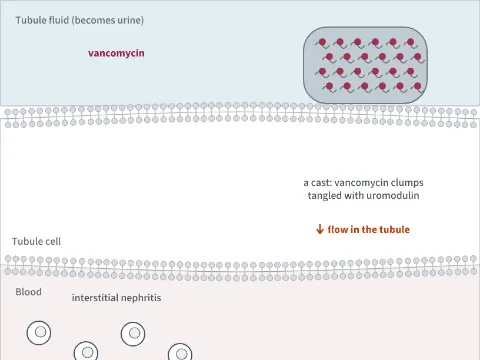
- Why vancomycin can harm the kidneysInflammation, and sometimes blocking casts
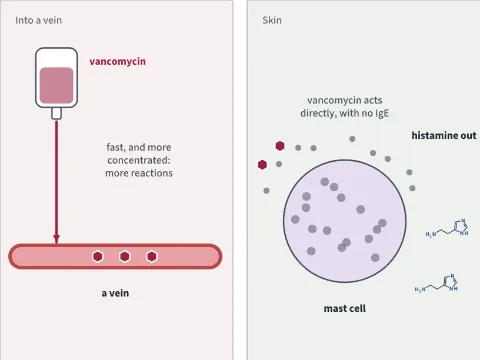
- Why fast vancomycin infusions cause flushingHistamine released when vancomycin goes in fast
Lungs & airways
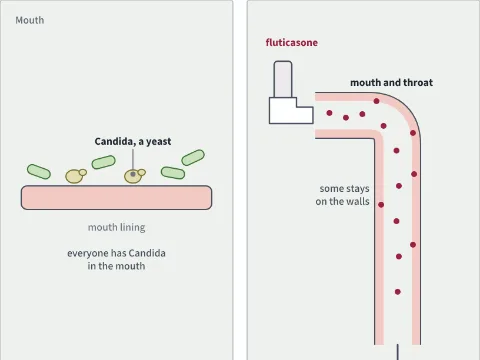
- Why inhaled steroids can cause thrushMedicine left in the mouth and throat
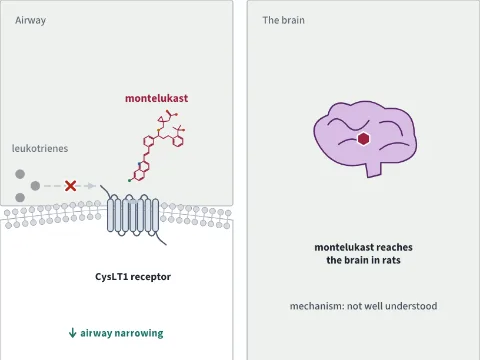
- Why montelukast carries a boxed warning about mood and behaviorAn asthma and allergic rhinitis medicine with a boxed warning on neuropsychiatric events
Muscles, bones & joints
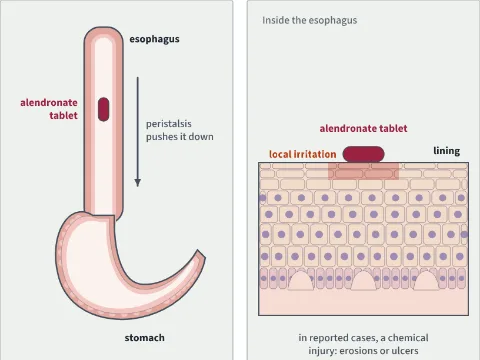
- Why alendronate can irritate the esophagusA tablet that can irritate the lining it touches
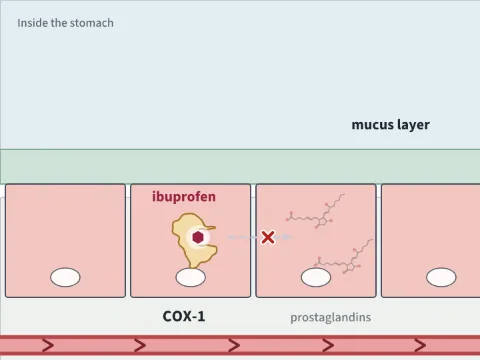
- Why NSAIDs can cause stomach ulcers and bleedingBlocking COX-1 leaves the stomach lining with fewer prostaglandins
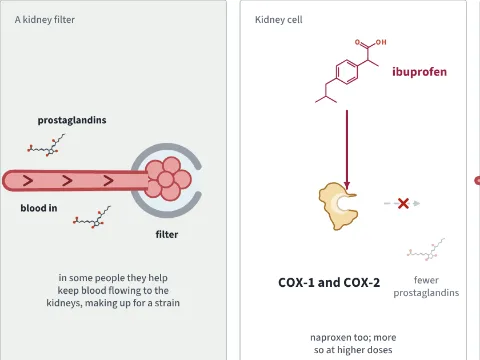
- Why NSAIDs can harm the kidneysWhen the kidneys lean on prostaglandins to keep their blood flowing
Urinary & reproductive
Interactions
Antidotes & reversal
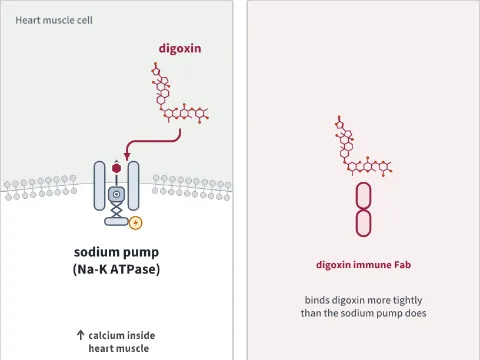
- Digoxin immune Fab and digoxinPulling digoxin off the sodium pump
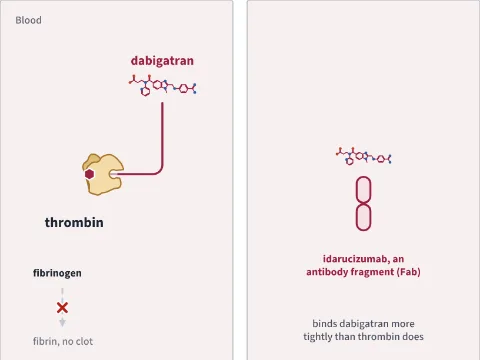
- Idarucizumab and dabigatranAn antibody piece that grips harder than thrombin
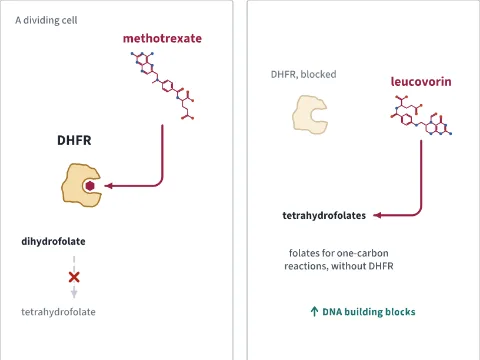
- Leucovorin with methotrexate and with fluorouracilOne folate, two opposite effects
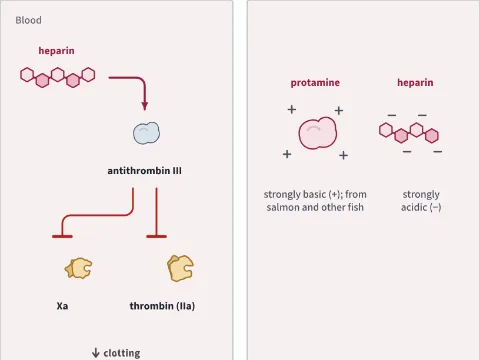
- Protamine and heparinOpposite charges cancel out
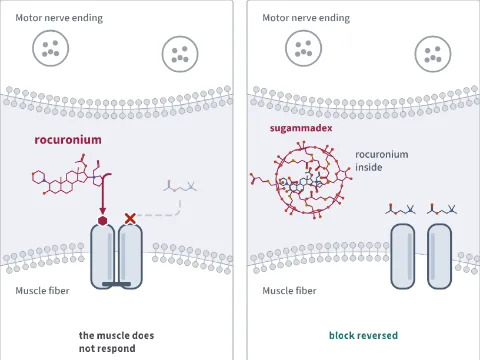
- Reversing rocuronium with sugammadex or neostigmineTwo ways to end a muscle relaxant's block after surgery
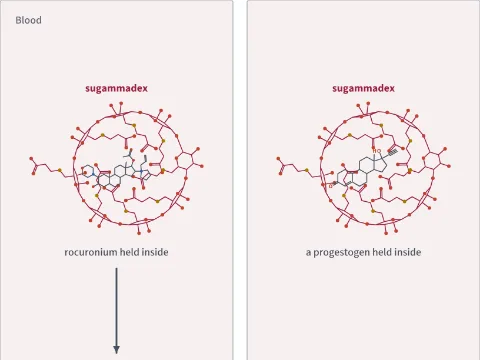
- Sugammadex and hormonal contraceptivesThe ring that holds rocuronium may hold progestogen too
Blood & clotting
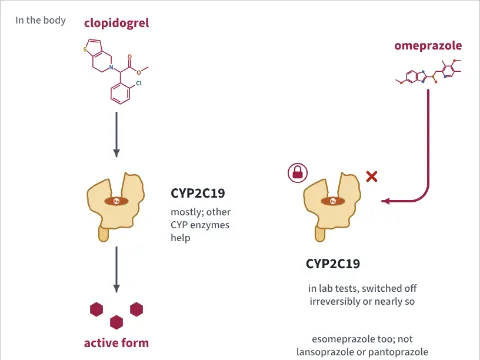
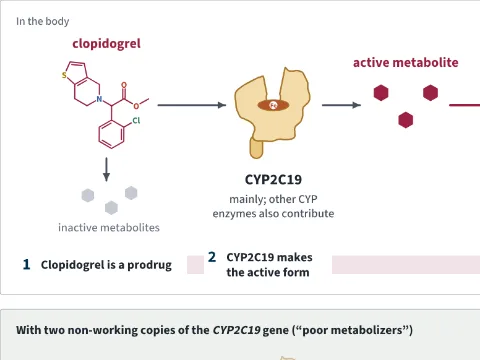
- Clopidogrel and omeprazoleOmeprazole blocks the main enzyme that makes clopidogrel active
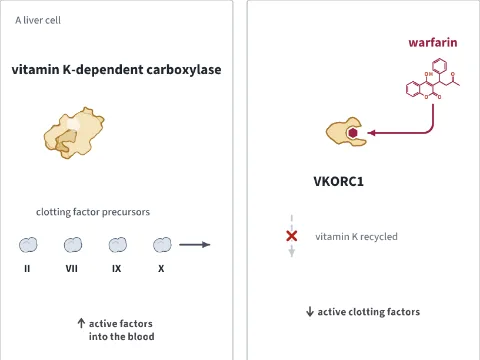
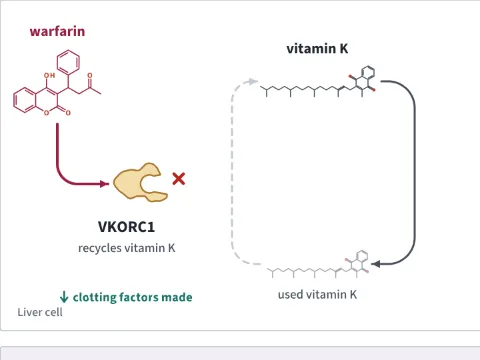
- Vitamin K and warfarinGiving back what warfarin takes away
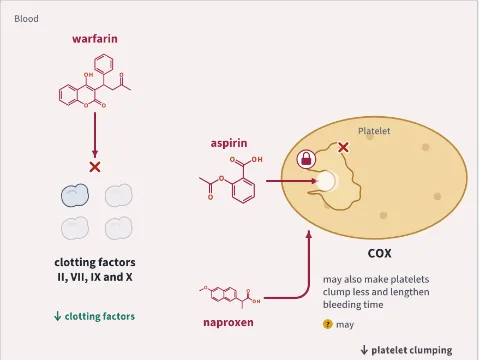
- Warfarin and NSAIDs or aspirinFewer clotting factors and weaker platelets add up to more bleeding
Brain & nerves
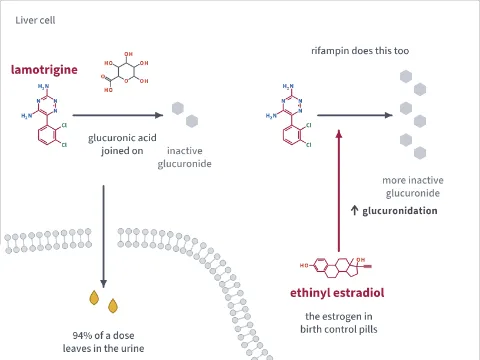
- Lamotrigine with estrogen-containing contraceptivesThe combined pill speeds up lamotrigine's clearance
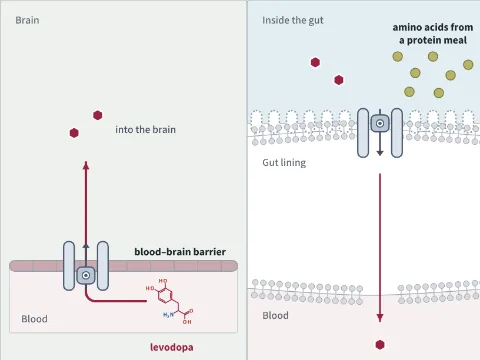
- Levodopa and high-protein mealsAmino acids compete with levodopa for the same carriers
- Lithium and NSAIDs, diuretics or ACE inhibitorsLithium levels rise, and toxic levels lie close to the usual ones
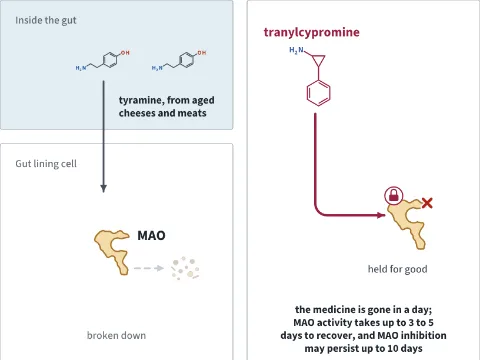
- MAO inhibitors and tyramineTyramine from food can get past a blocked gut enzyme and raise blood pressure
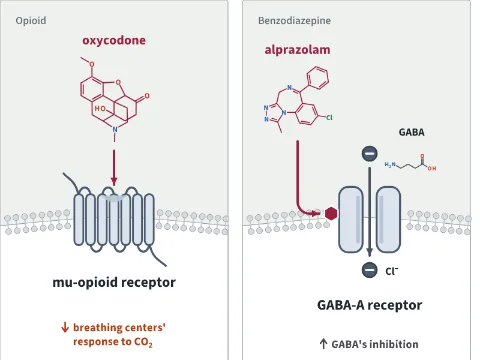
- Opioids and benzodiazepinesTwo receptor sites that both control breathing
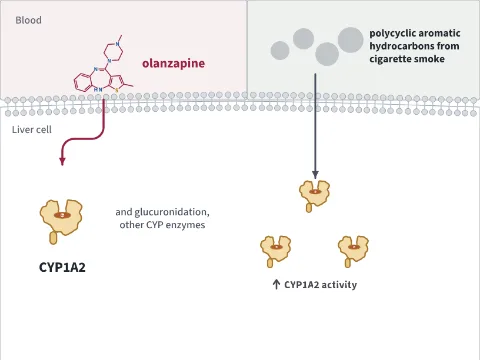
- Smoking and olanzapineSmoke speeds up an enzyme that clears it
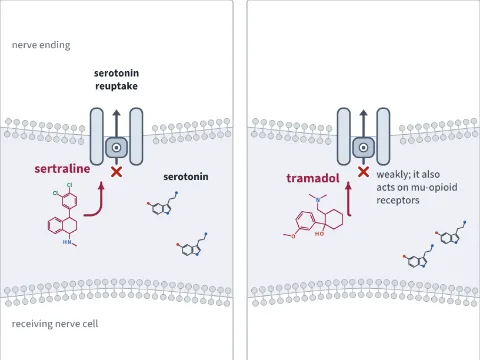
- Tramadol and SSRIs such as sertralineTwo medicines that both block serotonin reuptake
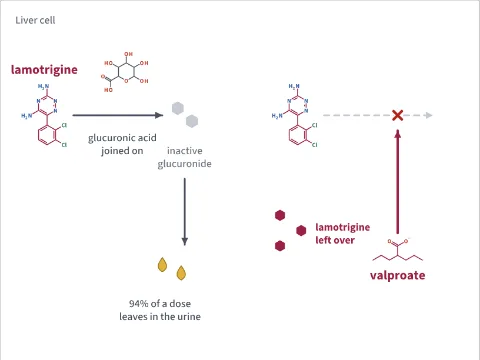
- Valproate and lamotrigineValproate slows lamotrigine's breakdown
Cancer
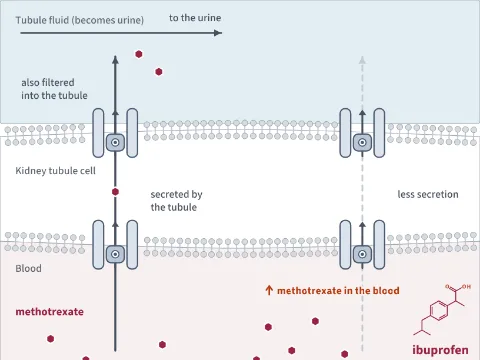
- Methotrexate with NSAIDs or trimethoprim-sulfamethoxazoleLess methotrexate leaves through the kidneys
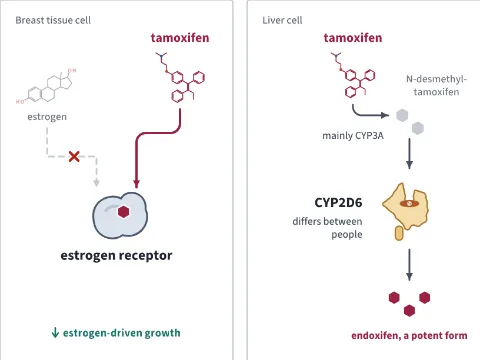
- Tamoxifen and CYP2D6 blockersLess of tamoxifen's potent active form is made
Heart & circulation
- ACE inhibitors and spironolactoneTwo ways of blunting aldosterone raise the risk of too much potassium
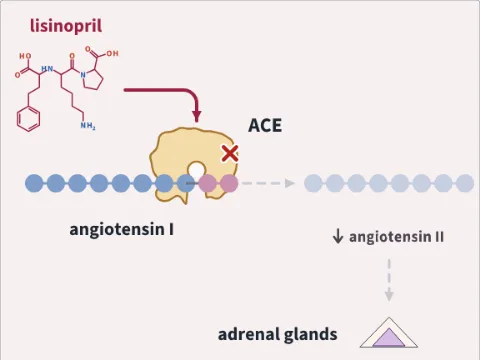
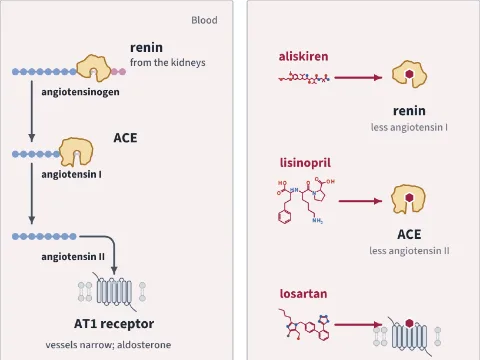
- ACE inhibitors with ARBs or aliskirenBlocking one system twice adds risks
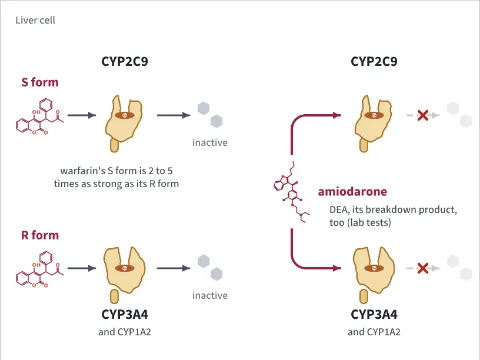
- Amiodarone and warfarinAmiodarone blocks the liver enzymes that clear warfarin
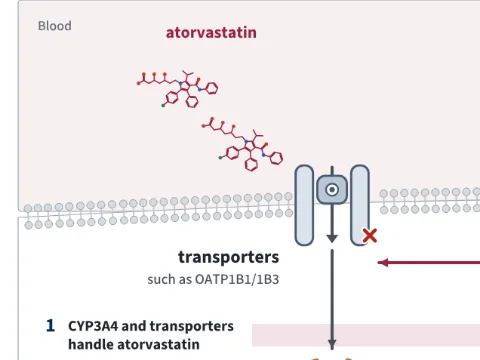
- Atorvastatin and medicines that block CYP3A4Blocking its clearance raises atorvastatin levels
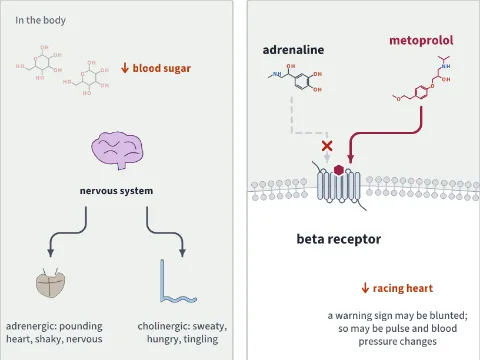
- Why beta-blockers can hide low blood sugarThe pounding heart may be blunted; in a study of healthy adults, other warning signs still got through
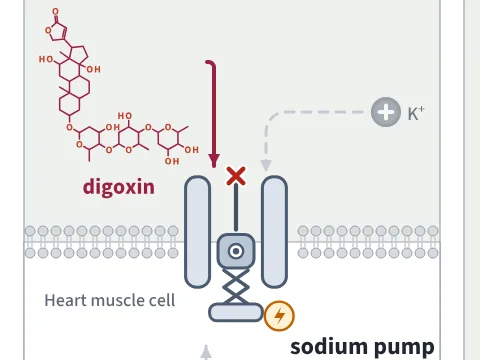
- Digoxin and diureticsLow potassium makes the heart more sensitive to digoxin
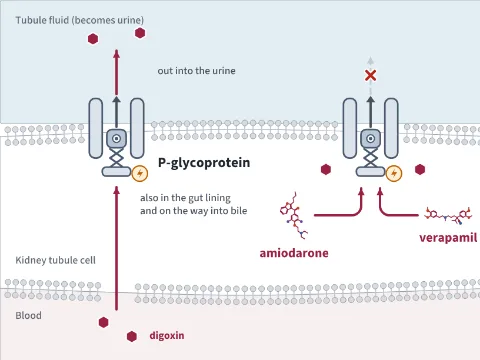
- Digoxin and P-glycoprotein blockersThe pump that clears digoxin is blocked
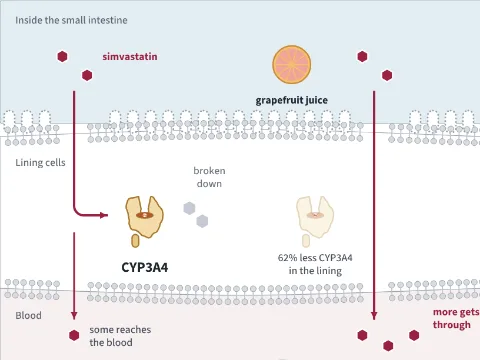
- Grapefruit juice and simvastatinGrapefruit juice lowers CYP3A4 in the gut wall
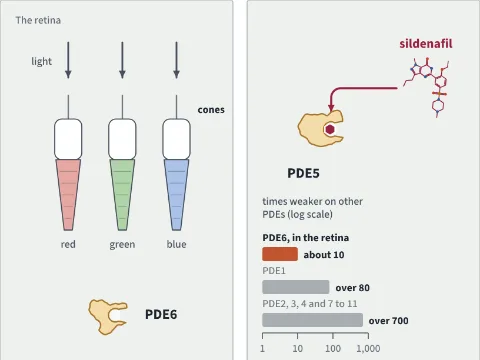
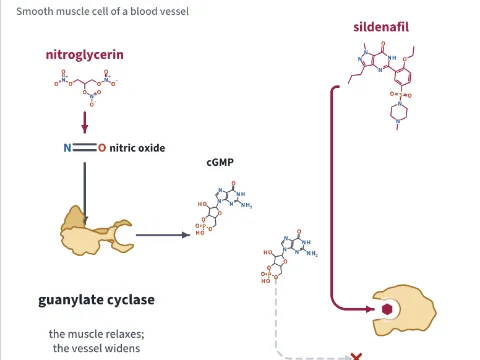
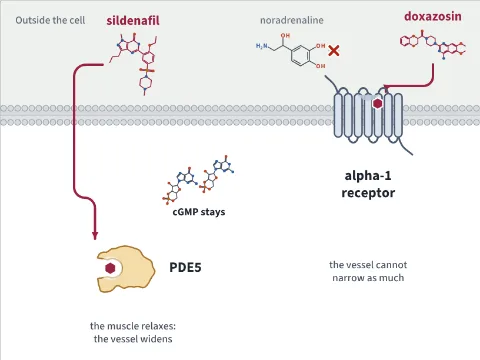
- Nitrates and PDE5 inhibitors such as sildenafilBoth raise cGMP in blood vessels; together, blood pressure can fall dangerously
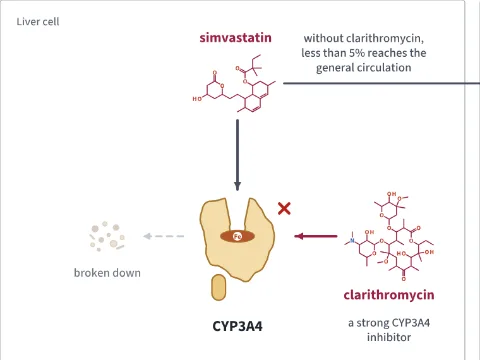
- Simvastatin and clarithromycinClarithromycin blocks CYP3A4 and raised simvastatin levels about tenfold
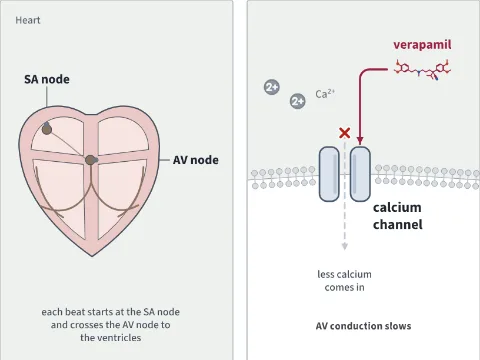
- Verapamil with beta-blockersTwo brakes on the heart's rate and conduction
Hormones & metabolism
Infections
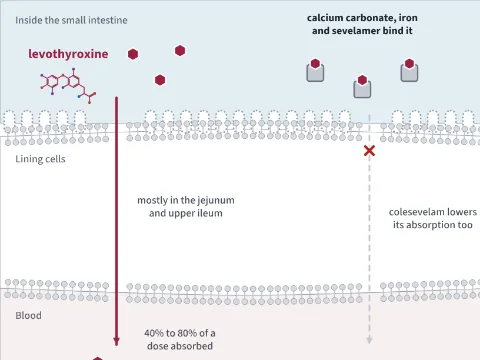
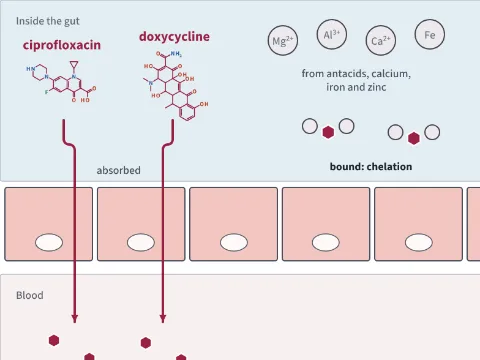
- Antibiotics and antacids, calcium or ironMetal ions bind ciprofloxacin and doxycycline in the gut, so less is absorbed
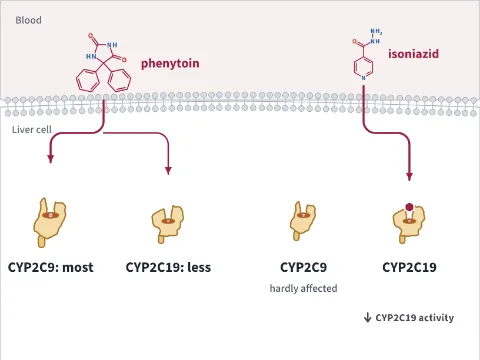
- Isoniazid and phenytoinBlocking the second enzyme that clears phenytoin
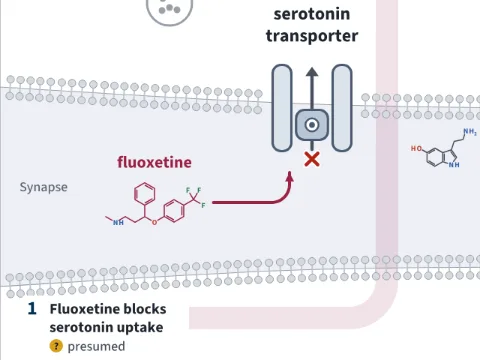
- Linezolid and serotonergic medicinesAn antibiotic that also inhibits monoamine oxidase
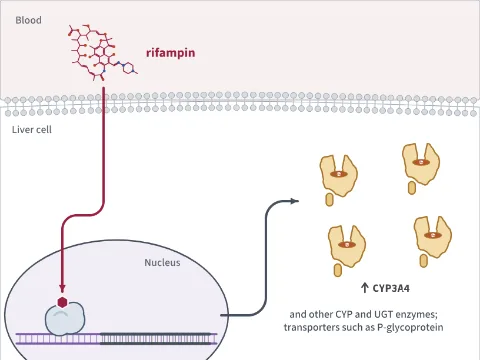
- Rifampin and other medicinesIt makes cells build more of the enzymes that clear other medicines
Muscles, bones & joints
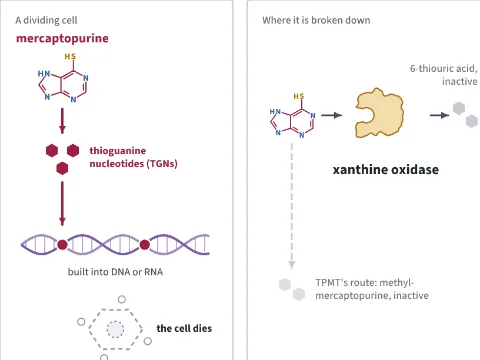
- Allopurinol and mercaptopurineAn enzyme that clears mercaptopurine is blocked
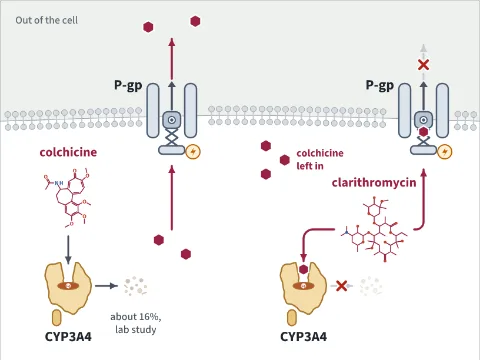
- Colchicine with clarithromycinBoth of colchicine's ways out are blocked
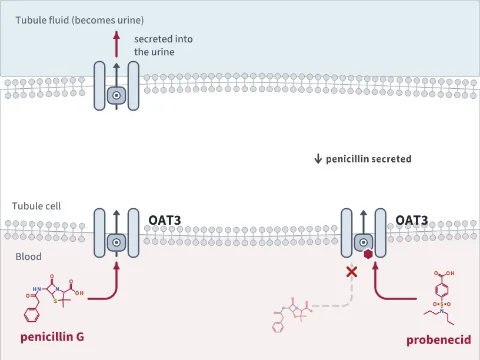
- Probenecid and penicillinSlowing penicillin's exit through the kidneys
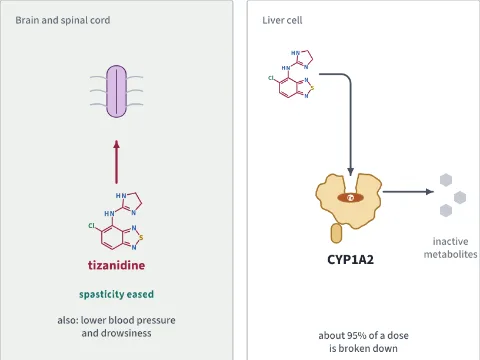
- Tizanidine with ciprofloxacin or fluvoxamineThe liver's CYP1A2 is blocked, and tizanidine builds up
Urinary & reproductive
The medicine in the body
Blood & clotting
- Clopidogrel and the CYP2C19 geneA prodrug made active mainly by one enzyme, CYP2C19
- Warfarin and the CYP2C9 and VKORC1 genesTwo genes change how much warfarin a person needs
Brain & nerves
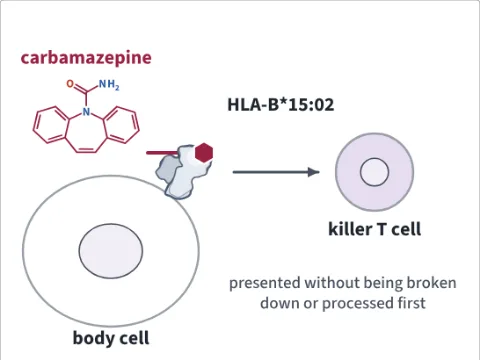
- Carbamazepine and the HLA-B*15:02 variantAn inherited immune-gene variant raises the risk of severe skin reactions
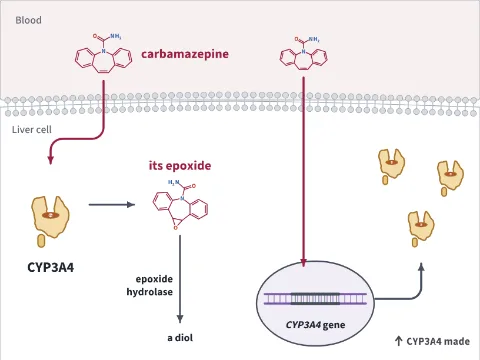
- Why carbamazepine speeds up its own breakdownMore of the liver enzyme that clears it, within weeks
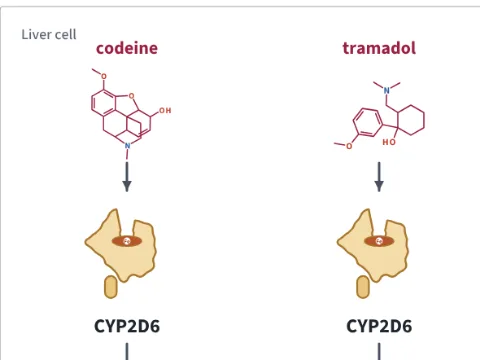
- Codeine, tramadol and the CYP2D6 geneOne liver enzyme turns both medicines into forms that bind opioid receptors more strongly
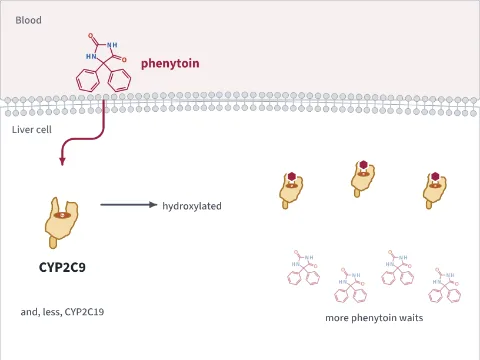
- Why phenytoin levels can jump with small dose changesA liver enzyme that fills up
Cancer
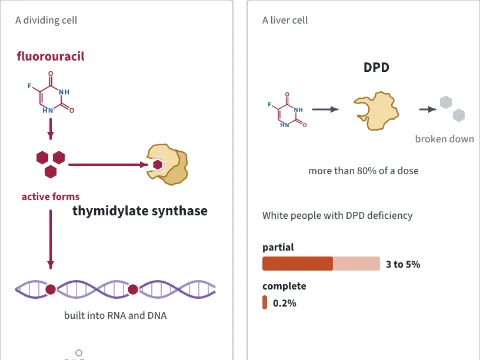
- Fluorouracil and the DPYD geneThe enzyme that clears most of a dose
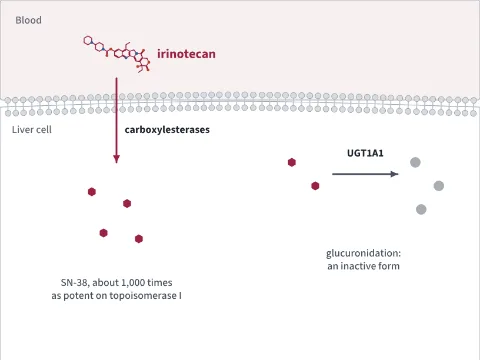
- Irinotecan and the UGT1A1 geneThe enzyme that switches off its active form
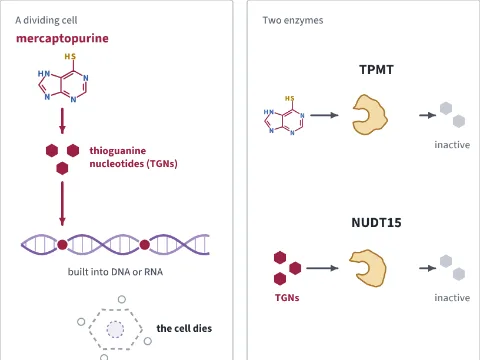
- Mercaptopurine and the TPMT and NUDT15 genesTwo enzymes that keep thiopurines in check
Heart & circulation
Hormones & metabolism
Immune system
Infections
Muscles, bones & joints
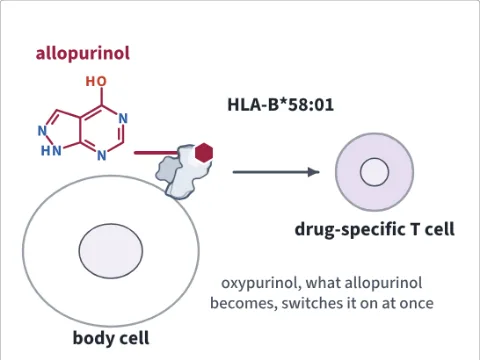
- Allopurinol and the HLA-B*58:01 variantAn immune-gene variant raises the risk of severe skin reactions to allopurinol
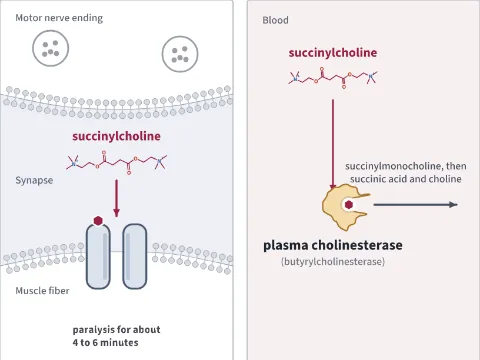
- Succinylcholine and the BCHE geneThe blood enzyme that ends its effect within minutes
Urinary & reproductive
Kinds of medicine
Spotted a mistake? Report an error (hello@openmechanism.com). Since launch, every published error we fix is listed on the corrections page.