How medicines work, drawn from published sources.
428 medicines, 205 conditions and 13 body systems. The sources are most often medicines’ official labels, and every step links to the words it came from.
Or start with atorvastatin, type 2 diabetes, the kidney or why ACE inhibitors can cause a dry cough.
Atorvastatin, in six panels
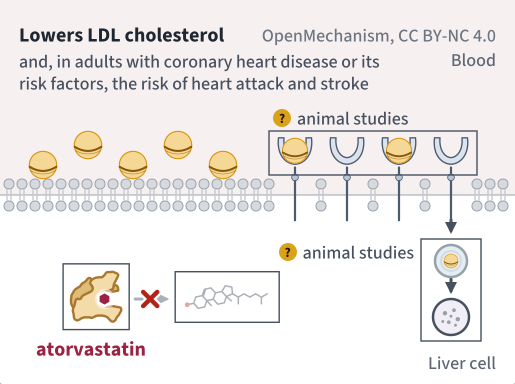
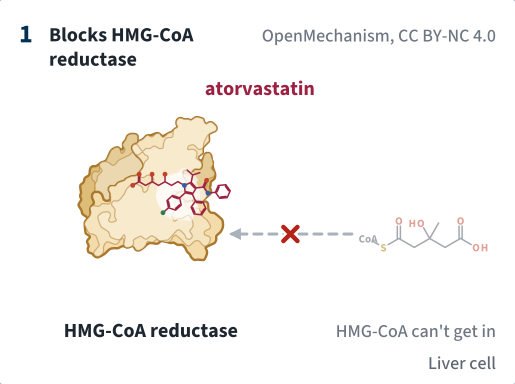
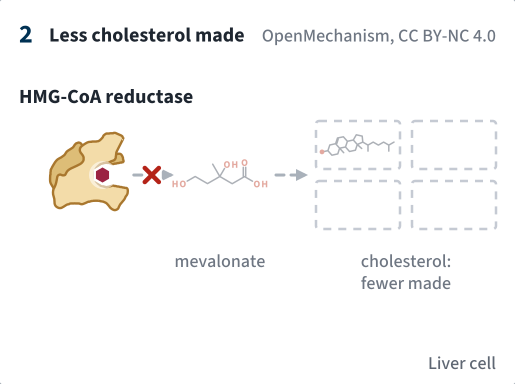
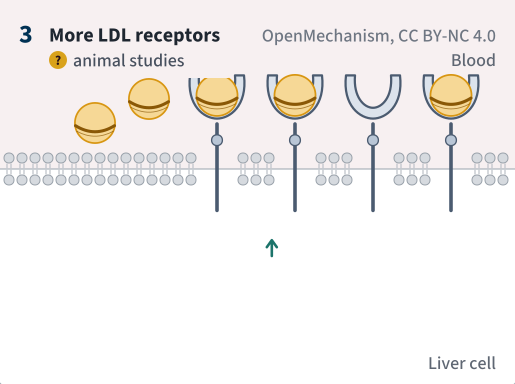
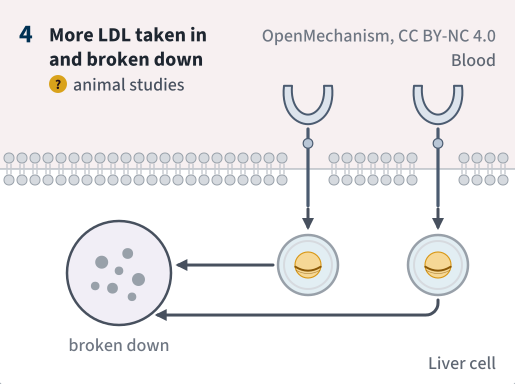
Atorvastatin blocks , an enzyme needed to make cholesterol. In animal studies described in the label, liver cells then carry more , which take up more cholesterol from the blood.
Reading the drawings
How to read a page- 1 2 3 4
- The steps, in order: each numbered panel is a step the page explains.
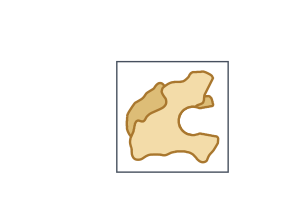
- In the first panel, a numbered frame marks the part each step shows close up.
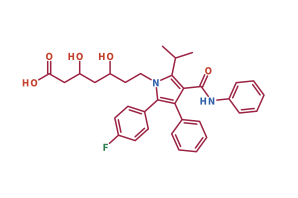
- The medicine, in crimson: its name and its molecule.
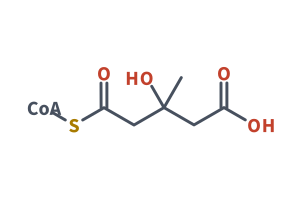
- Other molecules, drawn as their structures: gray, with oxygen in red and nitrogen in blue, like HMG-CoA.
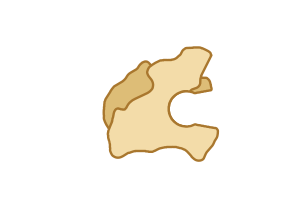
- An enzyme, drawn as a shape that says what it does; amber when the body makes it, like HMG-CoA reductase.
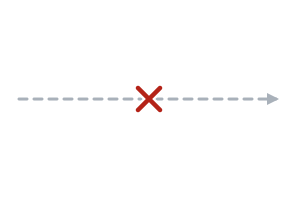
- A red cross on a gray dashed arrow: the step the medicine blocks.
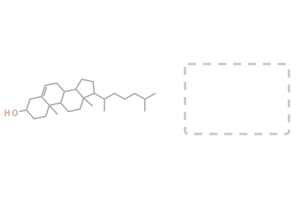
- Faded, or an empty dashed place: made less, like cholesterol.
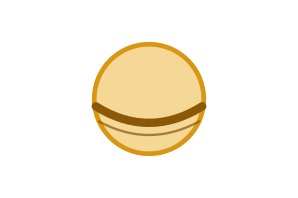
- LDL: particles that carry cholesterol in the blood.
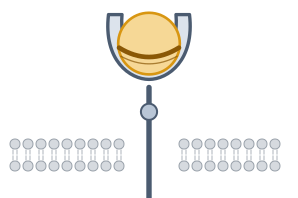
- An LDL receptor in the cell’s surface: it takes LDL particles out of the blood.
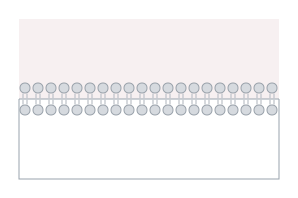
- The cell’s surface: the blood above it in pale rose, the liver cell below it in white.
- Blood
Liver cell - Place names, in gray at a panel’s edge: where each part is.
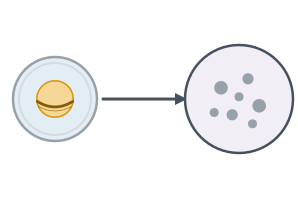
- Dark arrows: what happens next, like LDL carried into the cell and broken down.
- ↑ LDL receptors
- A change: the arrow gives the direction; green for a desired effect, red for an undesired one, gray when neutral or unclear, yellow when sensitive or uncertain.
- animal studies
- A qualifier, such as a finding from animal studies: tap it on the page for what the source says.

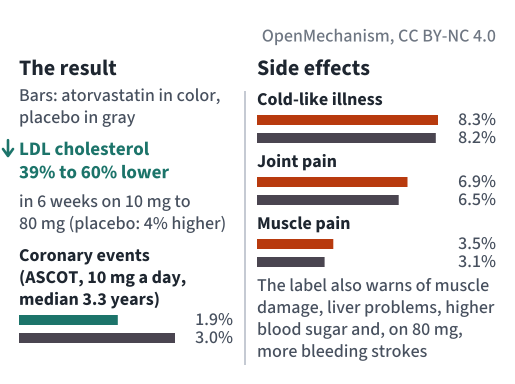
- In the result: the medicine’s bars in color, placebo’s in gray, from the label’s trials.
An enzyme’s shape says what it does, and its color whose it is: amber for the body’s own, lilac for a virus, green for bacteria, olive for fungi and blue for parasites.
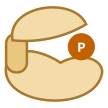 Kinase
 Pathway enzyme
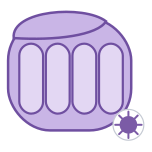 Polymerase
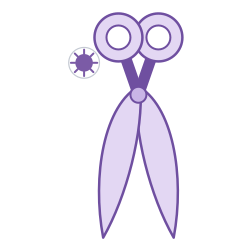 Protease
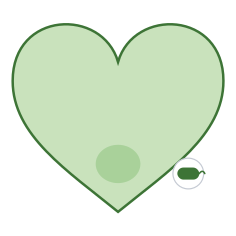 Gyrase
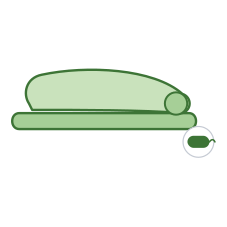 Wall builder
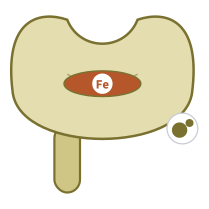 P450 enzyme
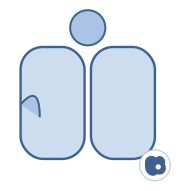 Cytochrome bc1
Zoom from organ to molecule
The kidney, from the whole organ down to SGLT2, the transporter that takes glucose back into the blood. Slide to zoom in.
Inside the body has 26 places like this, each normal, in disease and with a medicine. Animations step through six processes.
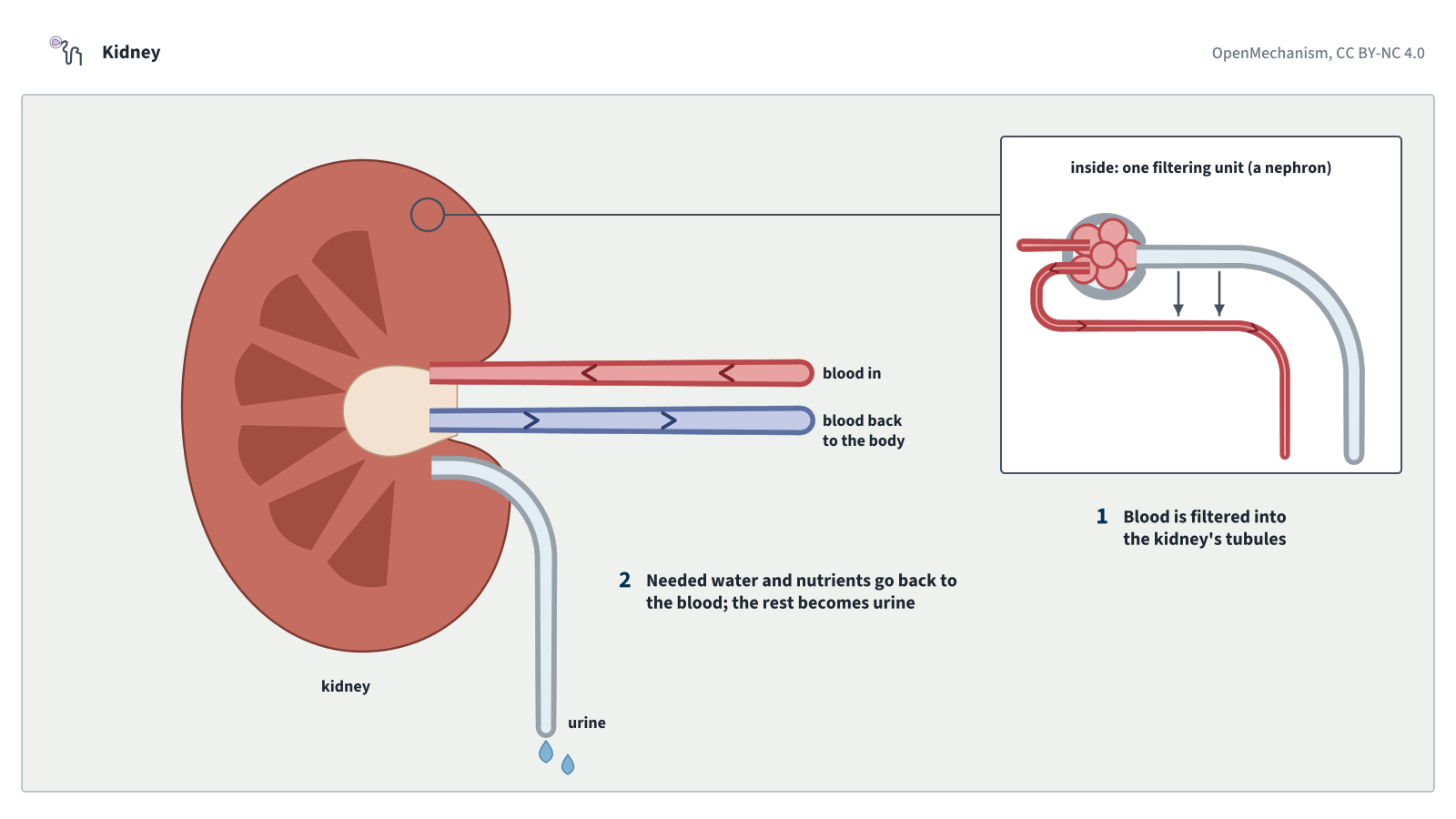
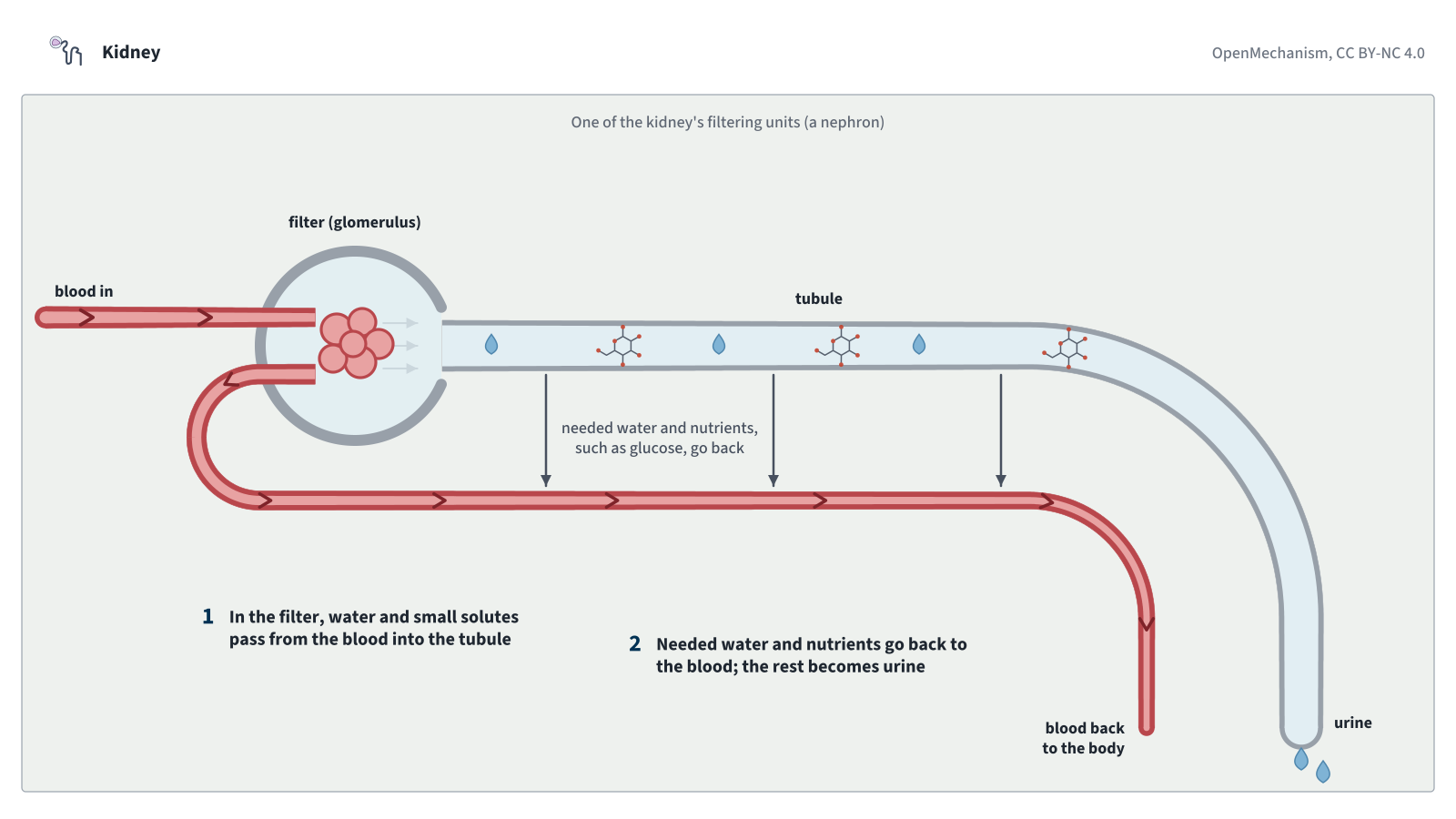
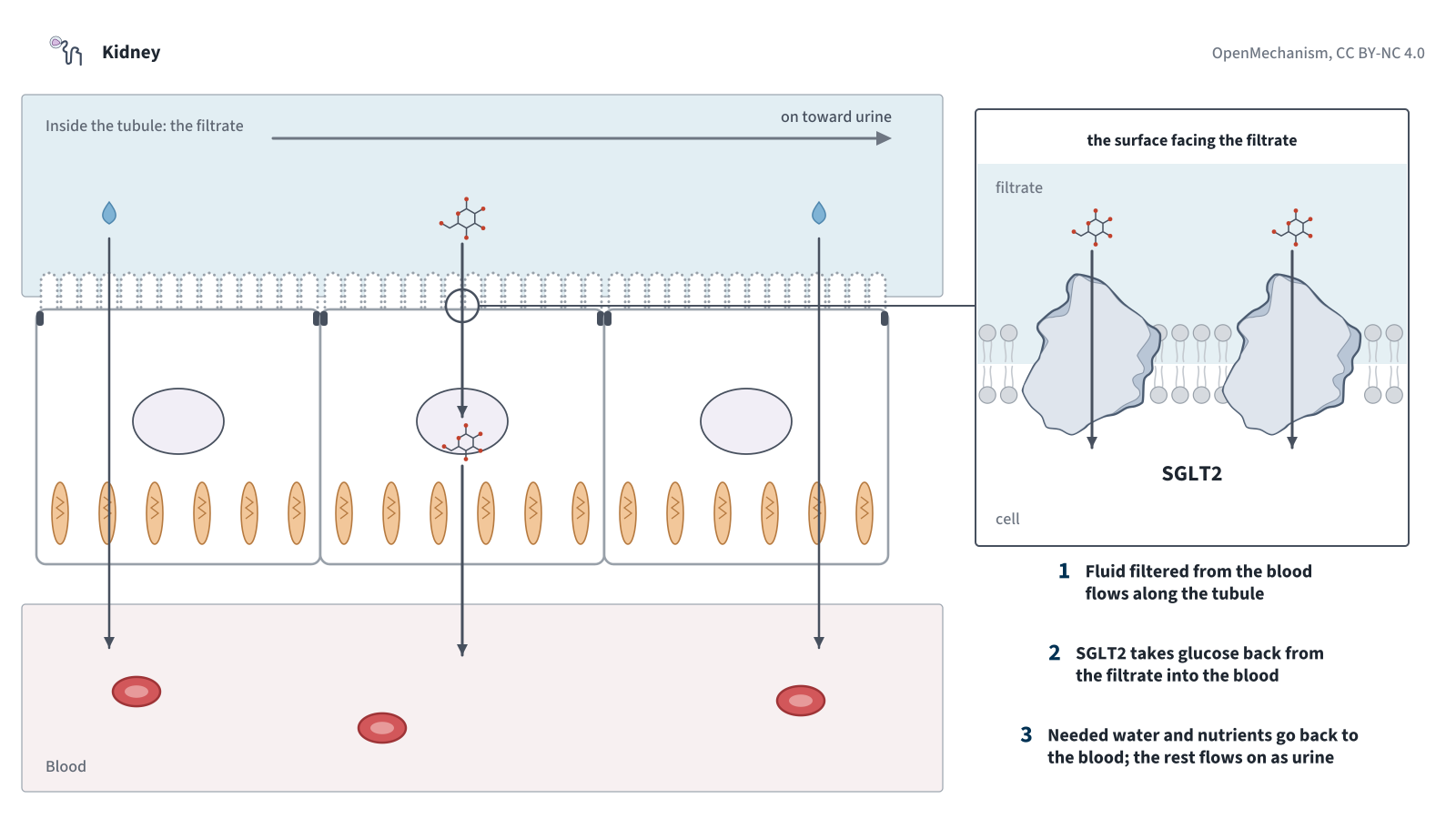
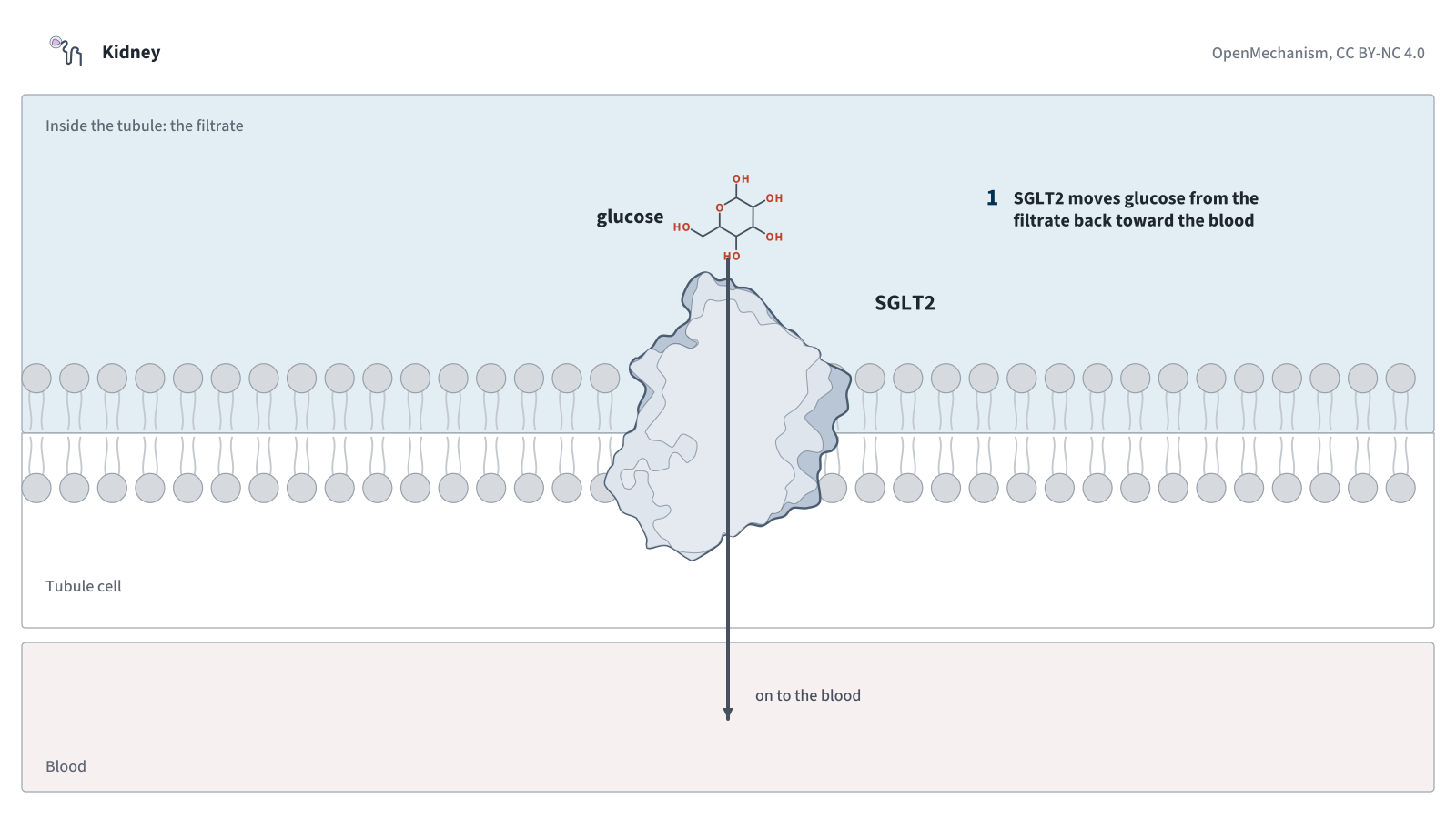
The whole kidney. Blood is filtered into the kidney’s tubules.
Browse the library
Medicines A to ZCommonly taught
 AtorvastatinBlocks the liver's cholesterol-making enzyme
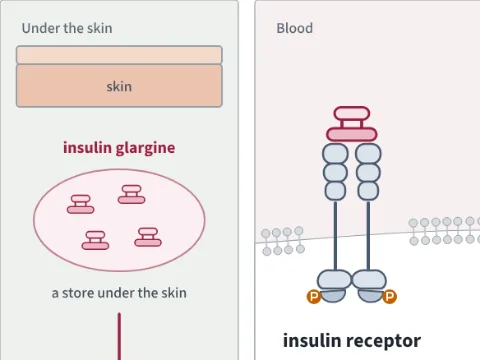 Insulin glargineSlow-release insulin that lowers blood glucose
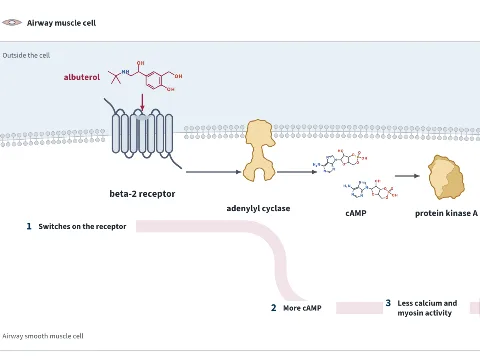 AlbuterolRelaxes tightened airway muscle
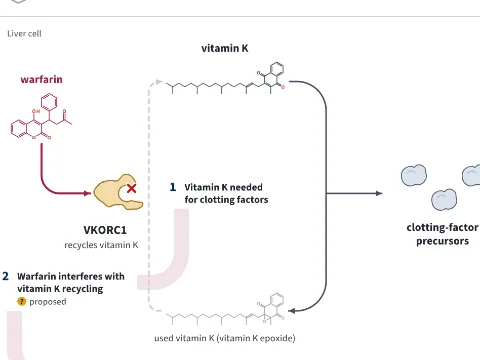 WarfarinSlows the making of the clotting factors that need vitamin K
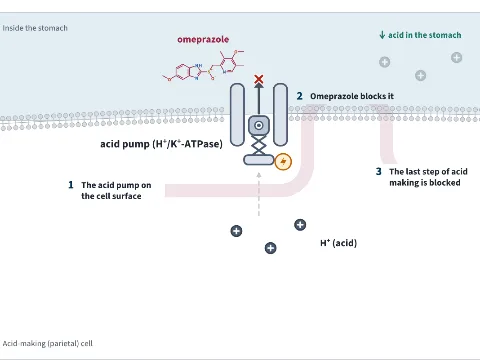 OmeprazoleBlocks the stomach's acid pump
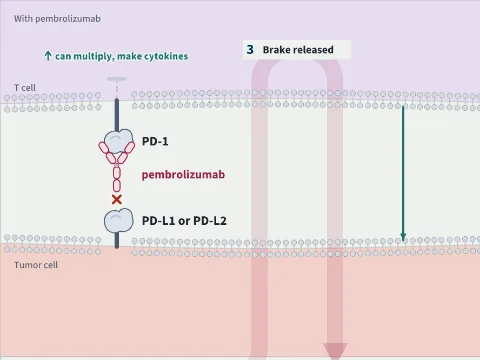 PembrolizumabReleases a brake on T cells (PD-1)
Medicines 428
Side effects
Interactions
Recently added: the newest medicine pages, the latest on 6 November 2026: deutetrabenazine, tetrabenazine, valbenazine, abiraterone acetate and antihemophilic factor (factor VIII).
Patisiran, in 3D
A sample film: from hereditary transthyretin amyloidosis to how the medicine silences TTR, with captions. Every other page has a drawing.
For teachers and publishers. The drawings and text are free to teach with under CC BY-NC 4.0: teaching and learning at any school, college, university or hospital counts as non-commercial, even with tuition. Downloads in PowerPoint, PNG and SVG, slide decks you can edit and how to credit a drawing. Textbooks, courses, apps and other commercial uses need a commercial license: write to daniel@openmechanism.com.
Every step links to the source it comes from, and the drawings are schematic, not to scale. Each page says who wrote it, when it last changed and whether it has been medically reviewed; 211 of 799 pages are so far, and review is continuing. How to read a page
Spotted a mistake? Report an error (hello@openmechanism.com). Since launch, every published error we fix is listed on the corrections page.