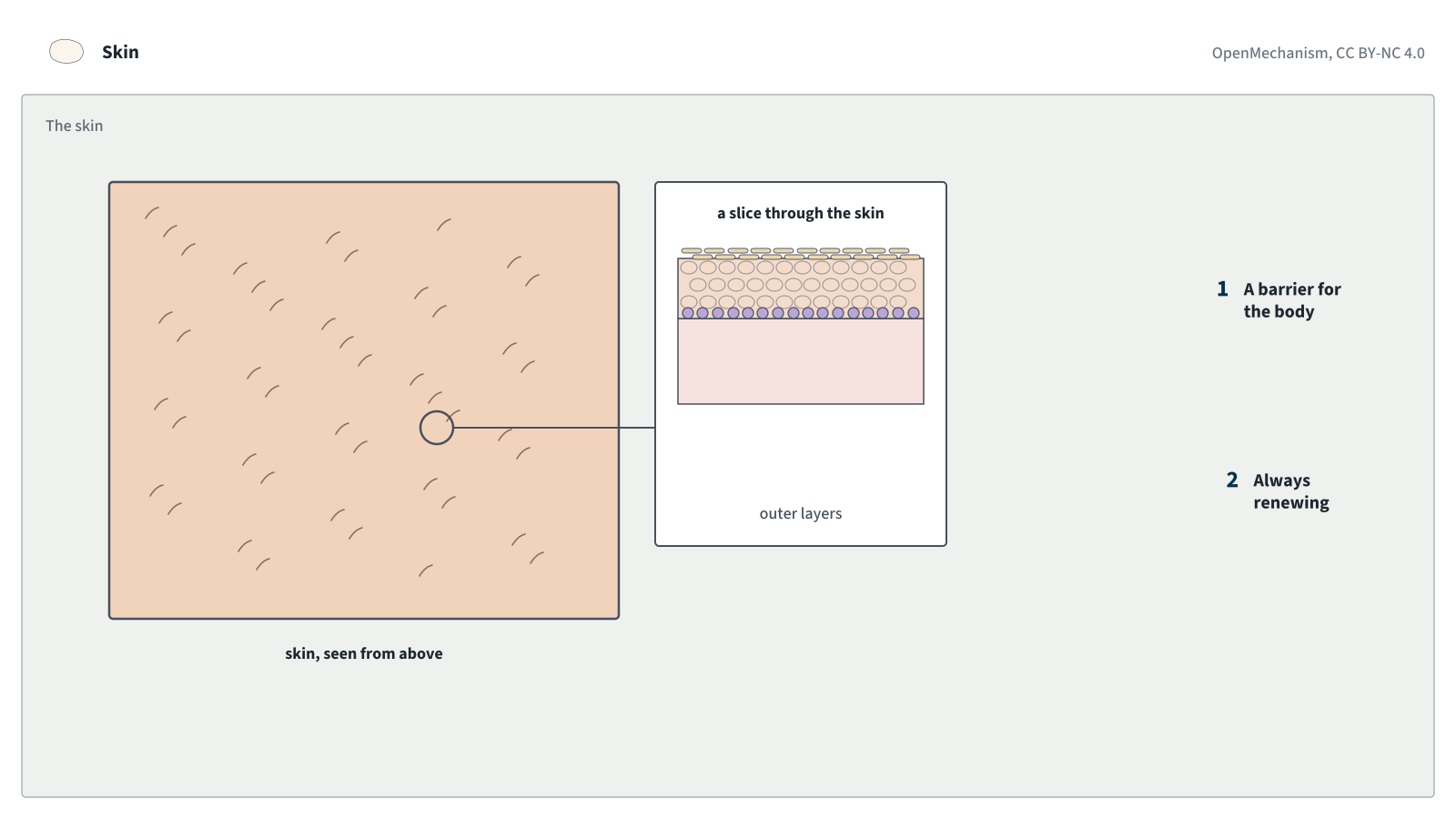
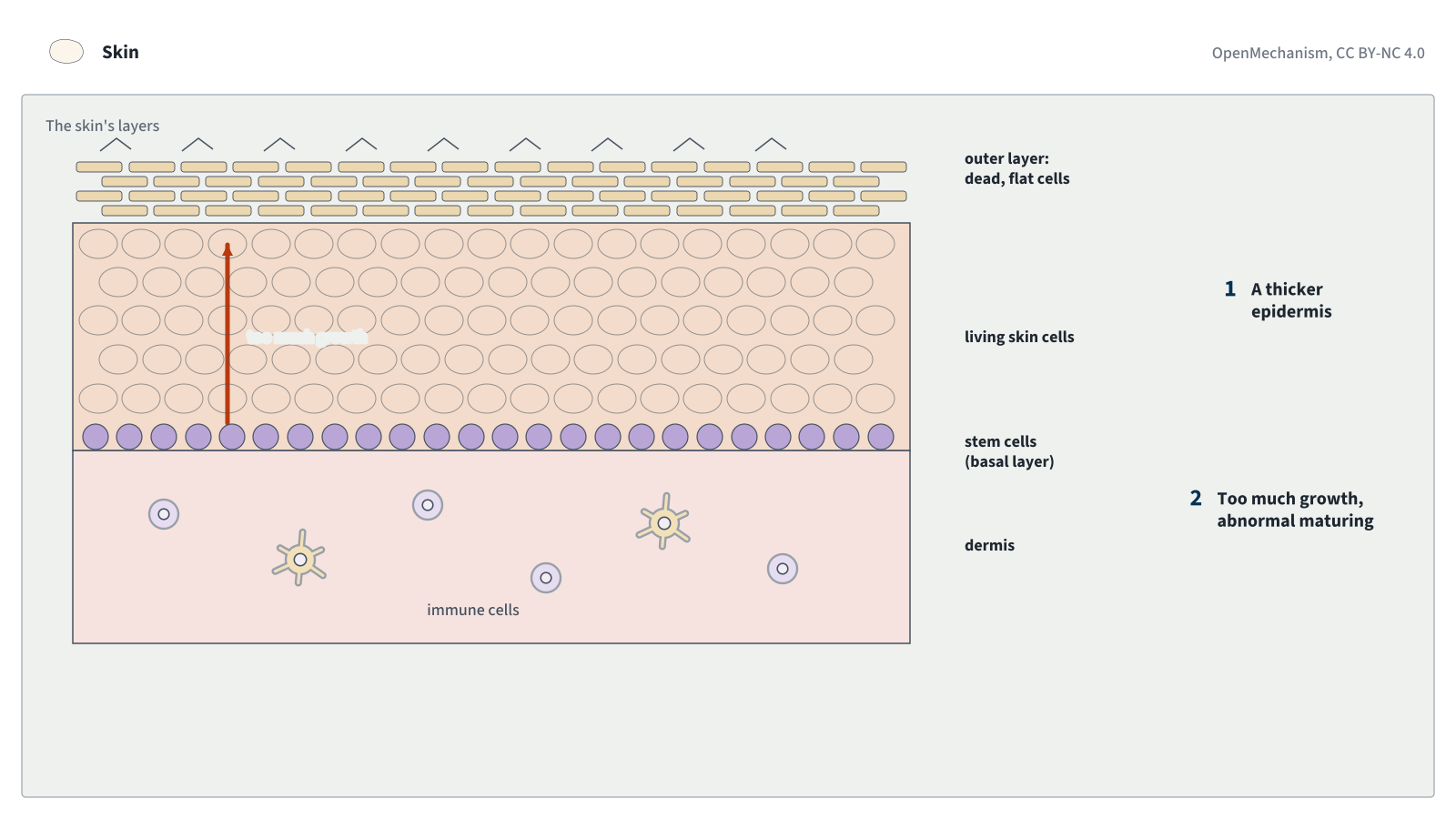
A barrier for the body. The skin is a barrier: it keeps out microbes and chemical and physical harm, and stops water and salts escaping.1
What the source says
“The skin forms an effective barrier between the organism and the environment preventing invasion of pathogens and fending off chemical and physical assaults, as well as the unregulated loss of water and solutes.”
Always renewing. The skin renews itself all the time: stem cells make new cells to replace those constantly lost.2
What the source says
“Stem cells in the epidermis have a crucial role in maintaining tissue homeostasis by providing new cells to replace those that are constantly lost during tissue turnover or following injury.”
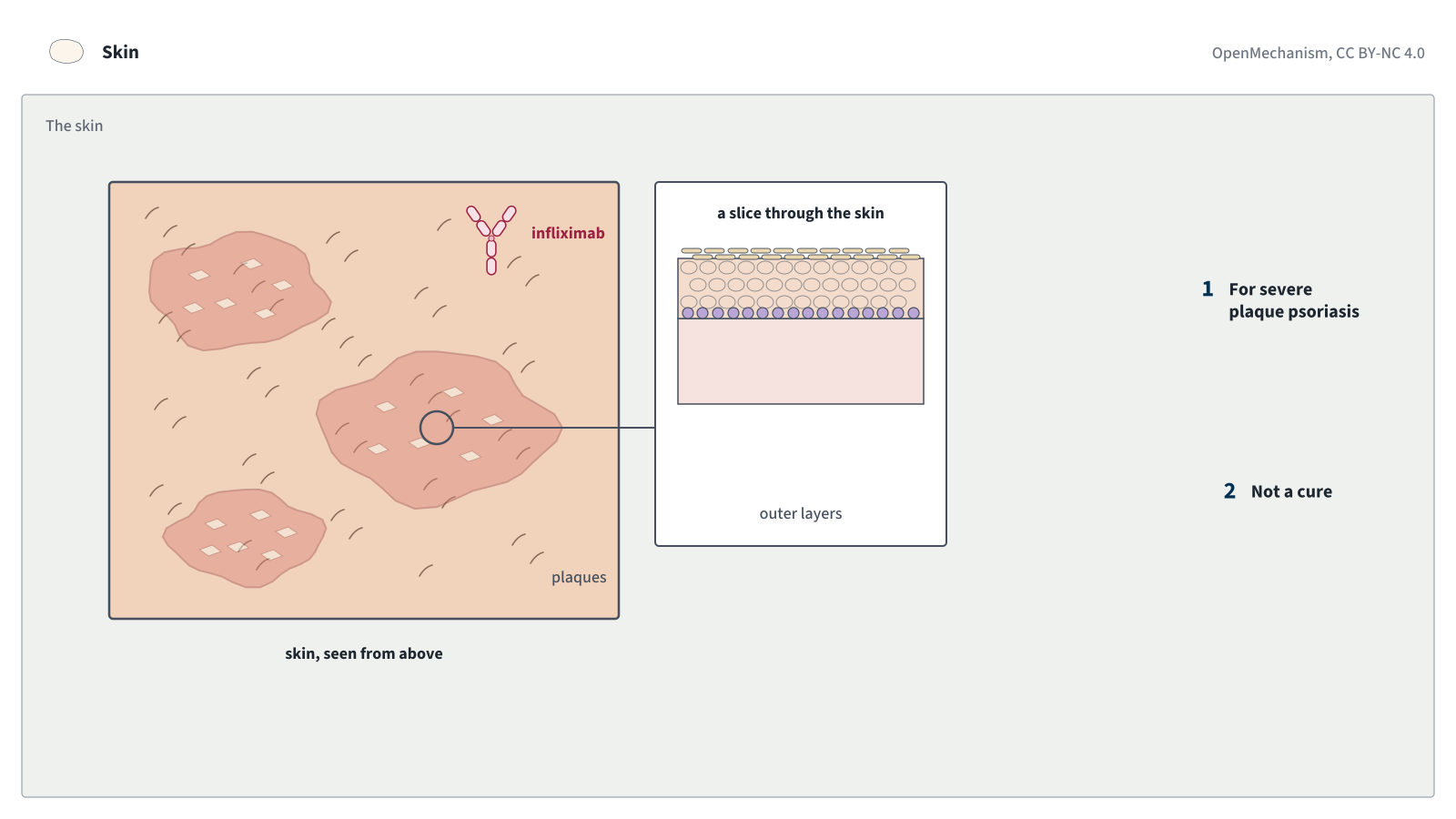
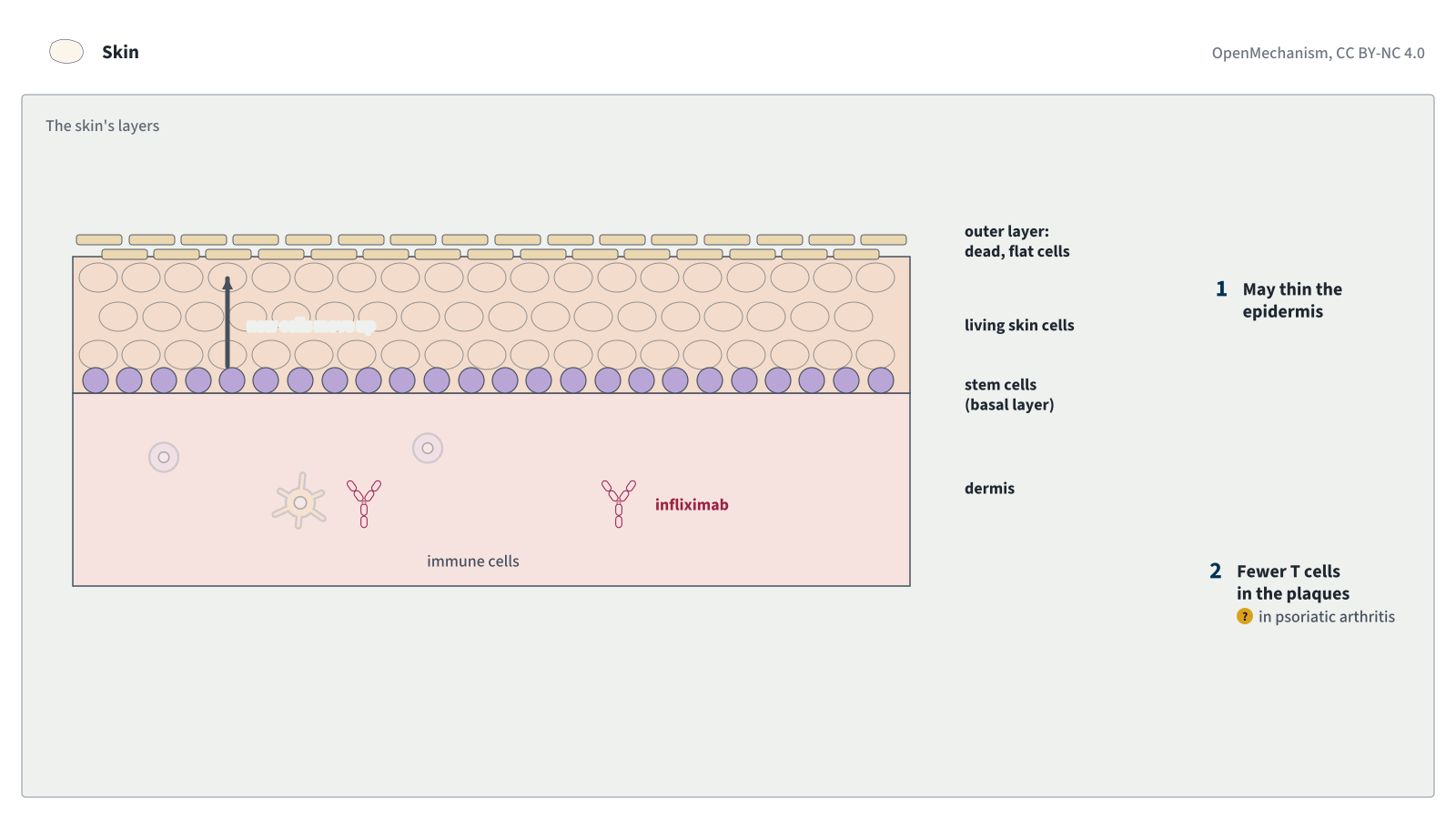
For severe plaque psoriasis. Infliximab treats adults with chronic severe plaque psoriasis who are candidates for whole-body (systemic) treatment, when other systemic treatments are less suitable.5
What the source says
“treatment of adult patients with chronic severe (i.e., extensive and/or disabling) plaque psoriasis who are candidates for systemic therapy and when other systemic therapies are medically less appropriate.”
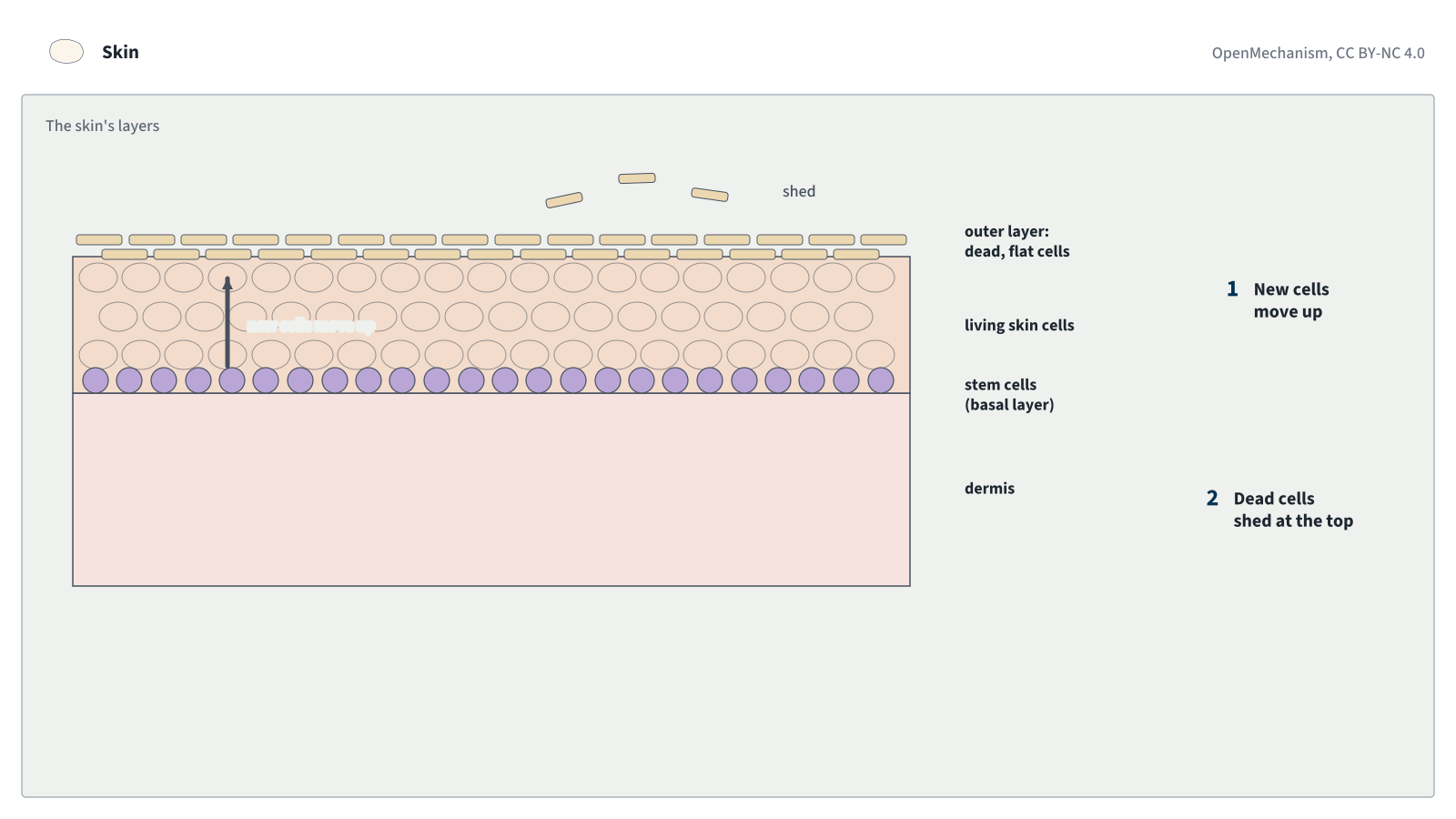
New cells move up. Stem cells in the bottom (basal) layer of the epidermis make daughter cells that move up toward the surface, forming the layers as they change.6
What the source says
“The epidermis is maintained by epidermal stem cells which reside in the basal layer and which generate daughter cells that move upward toward the surface of the skin.”
“During this journey, keratinocytes undergo a series of biochemical and morphological changes that result in the formation of the various layers of the epidermis.”
The Remicade (infliximab) label says: In PsA, treatment with REMICADE resulted in a reduction in the number of T-cells and blood vessels in the synovium and psoriatic skin lesions as well as a reduction of macrophages in the synovium.
Clinical study: In a double-blind trial of infliximab or placebo infusions in 200 people with active psoriatic arthritis; the trial measured joint and skin symptoms, not T cells in the plaques: Infliximab 5 mg/kg through 24 weeks significantly improved active PsA, including dactylitis and enthesopathy, and associated psoriasis.Antoni C et al., Ann Rheum Dis 2005 (PMID 15677701)
This study was picked with a literature search and is not yet checked by our reviewer.
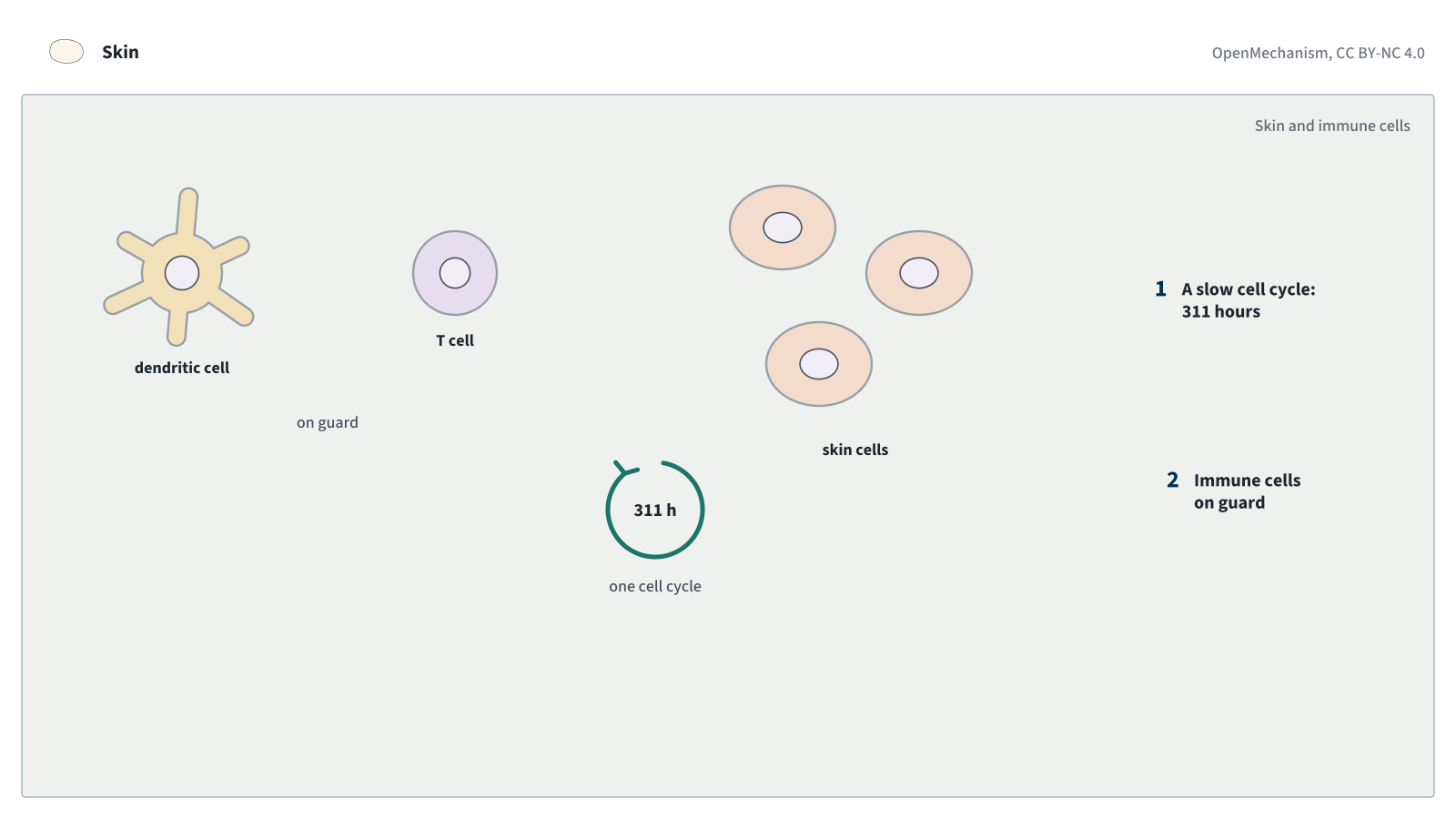
Immune cells on guard. The skin is the front line of defense and holds immune cells as well as skin cells.10
What the source says
“The skin is the front line of defense against insult and injury and contains many epidermal and immune elements that comprise the skin-associated lymphoid tissue (SALT).”
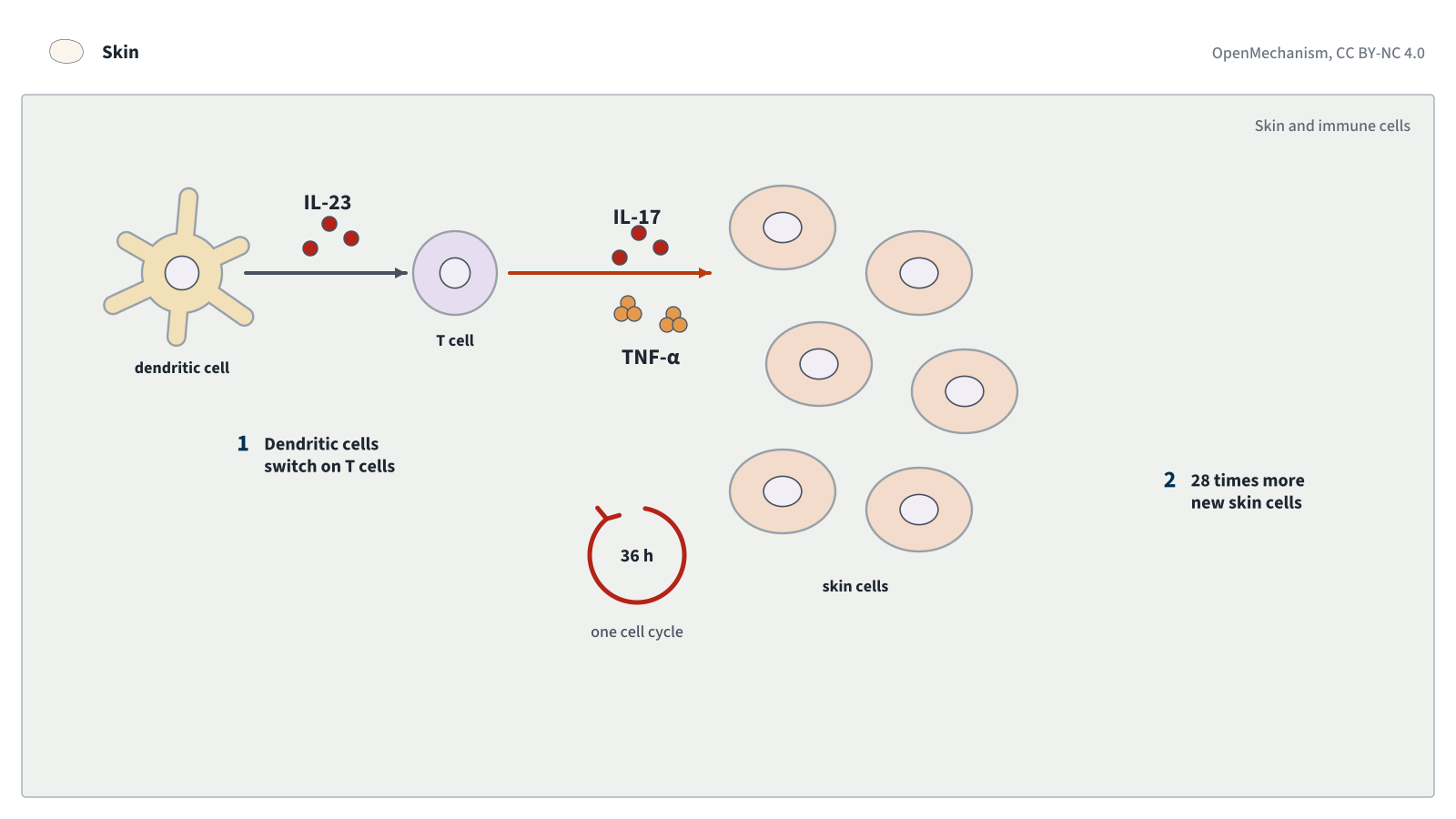
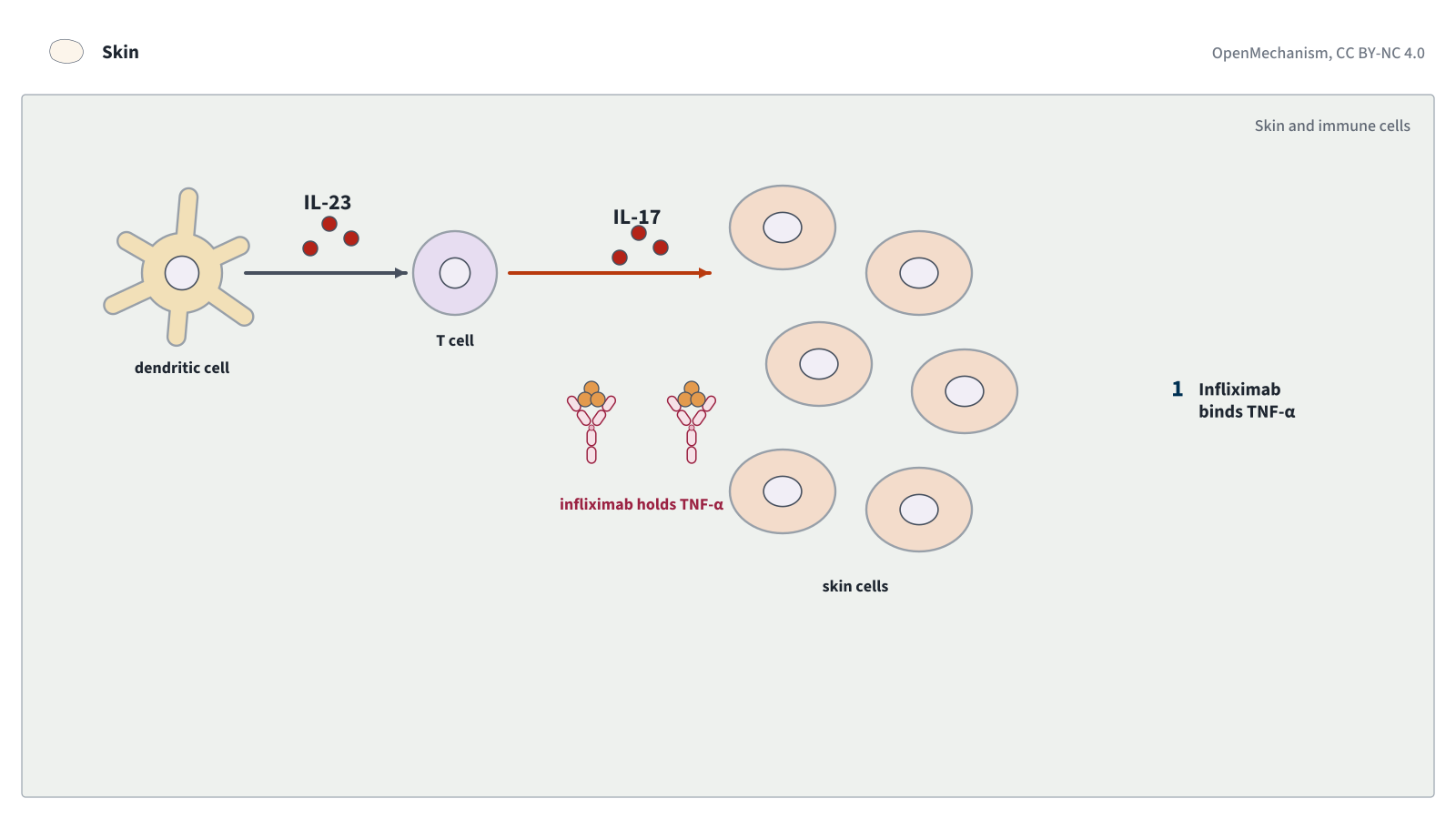
Dendritic cells switch on T cells. Inflammatory dendritic cells release and IL-12, which switch on T cells that make , IFN-γ, and IL-22.10
What the source says
“Inflammatory myeloid dendritic cells release IL-23 and IL-12 to activate IL-17-producing T cells, Th1 cells, and Th22 cells to produce abundant psoriatic cytokines IL-17, IFN-γ, TNF, and IL-22.”
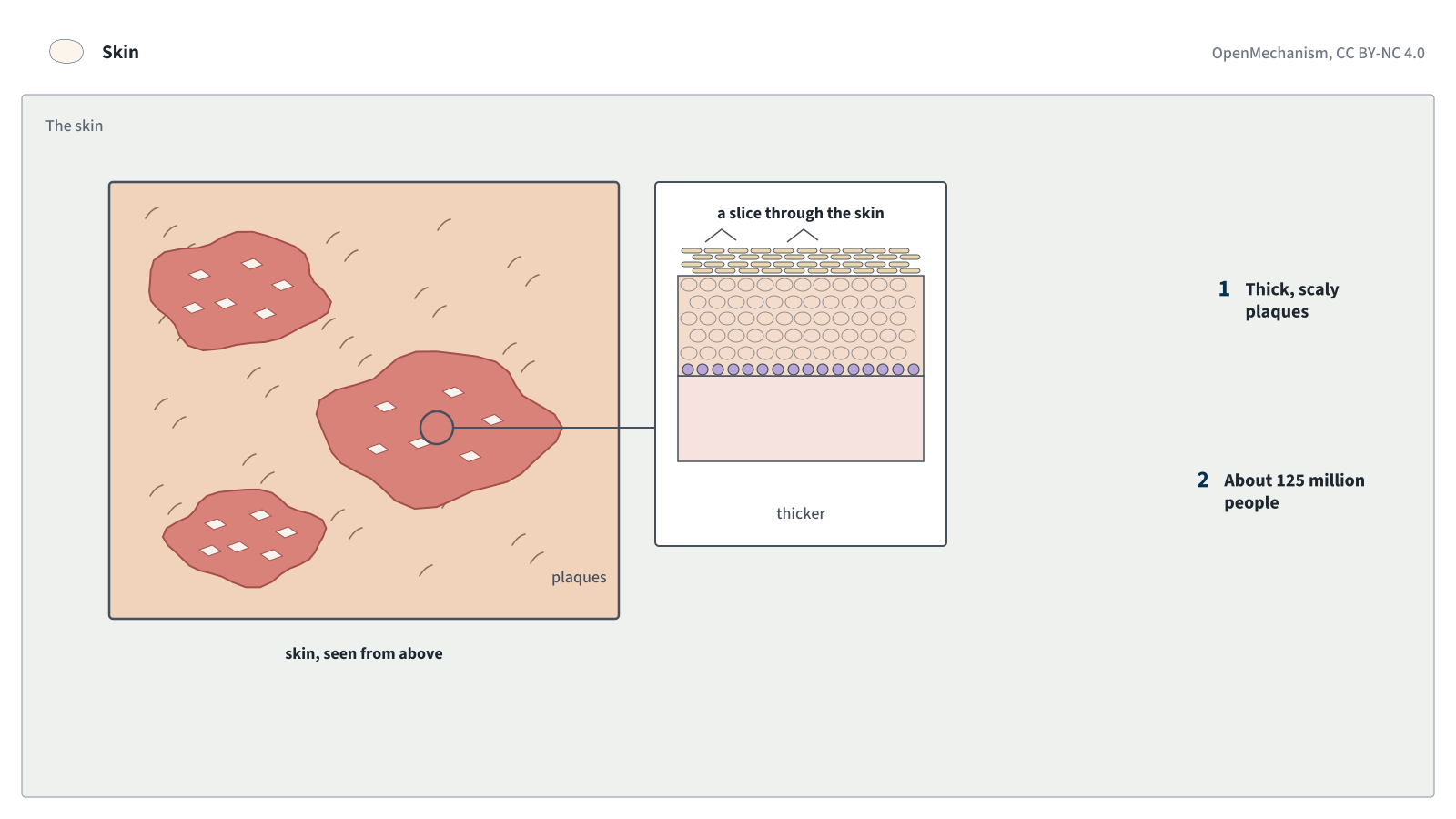
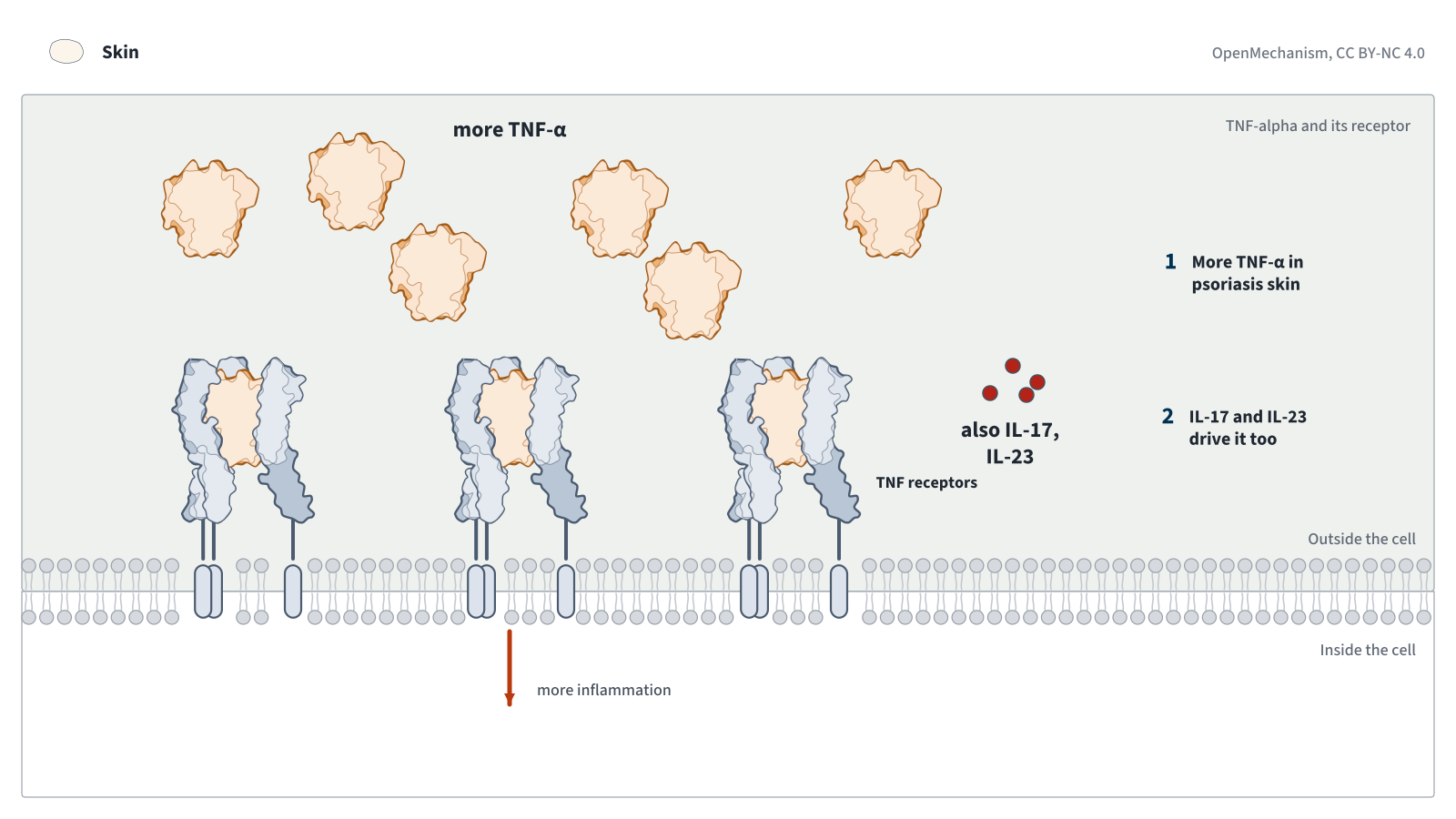
28 times more new skin cells. These signals act on skin cells and amplify the inflammation. Psoriasis skin makes 28 times more new cells than normal skin; one cell cycle takes 36 hours instead of 311.9,10
What the source says
“These cytokines mediate effects on keratinocytes to amplify psoriatic inflammation.”
Infliximab binds TNF-α. Infliximab binds TNF-α, both free and on cell surfaces, and stops it binding its receptors.5
What the source says
“Infliximab neutralizes the biological activity of TNFα by binding with high affinity to the soluble and transmembrane forms of TNFα and inhibits binding of TNFα with its receptors.”
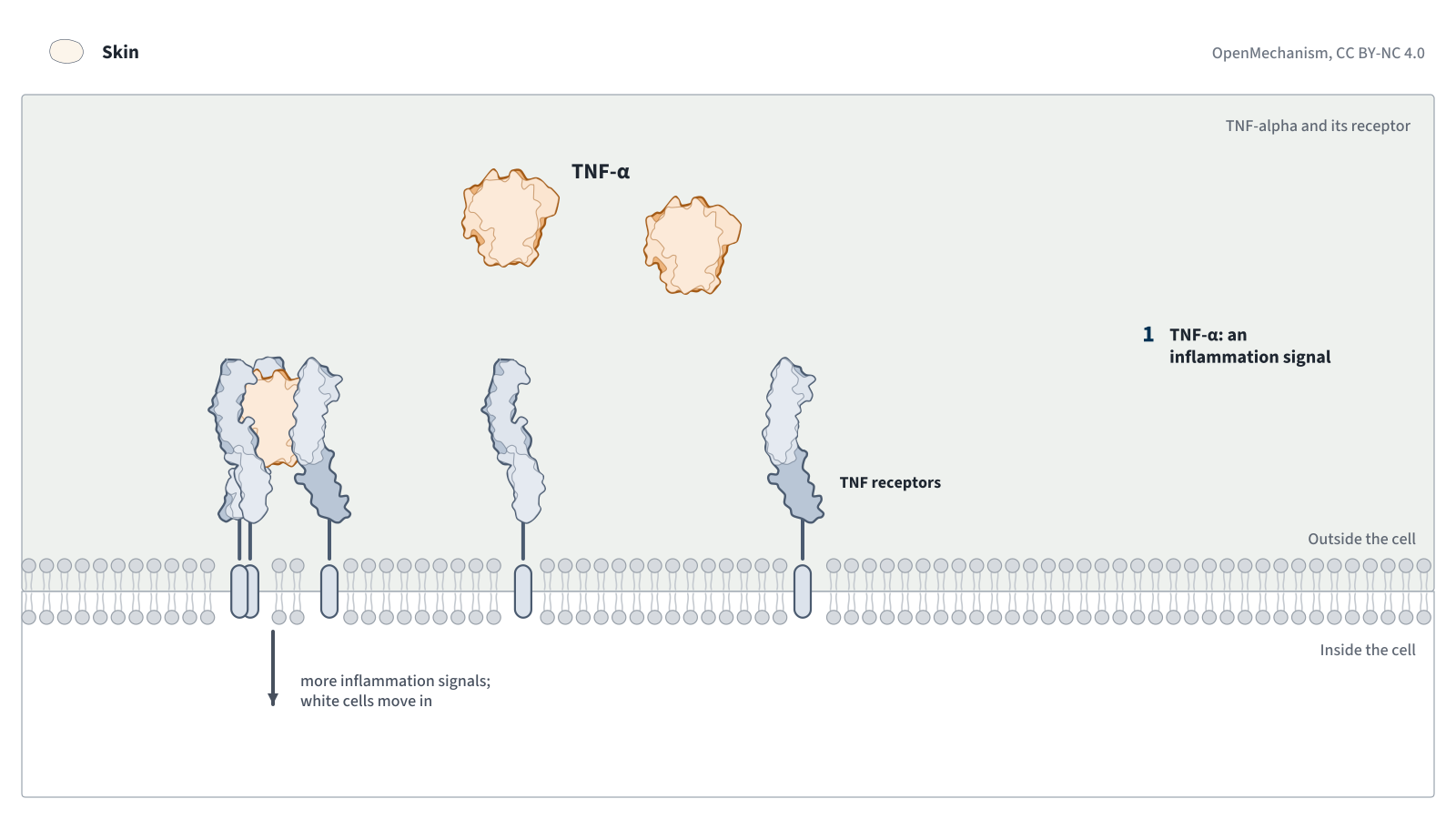
TNF-α: an inflammation signal. TNF-α switches on other inflammation signals ( and ) and helps white blood cells move into tissues.5
What the source says
“Biological activities attributed to TNFα include: induction of pro-inflammatory cytokines such as interleukins (IL) 1 and 6, enhancement of leukocyte migration”
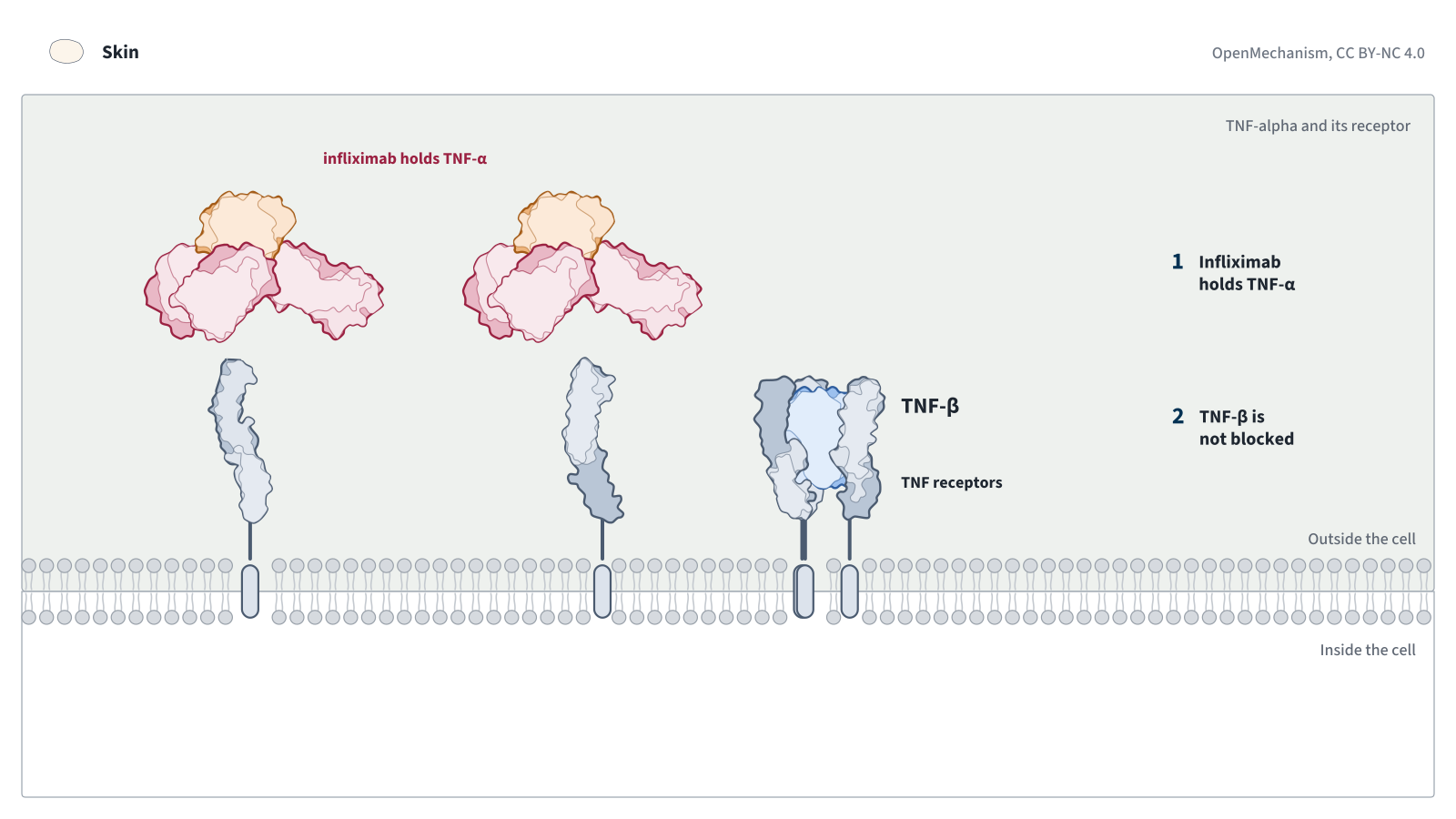
Infliximab holds TNF-α. Infliximab binds TNF-α tightly and stops it binding its receptors.5
What the source says
“Infliximab neutralizes the biological activity of TNFα by binding with high affinity to the soluble and transmembrane forms of TNFα and inhibits binding of TNFα with its receptors.”
Tran D. Skin renewal [Internet]. OpenMechanism; 2026 [updated 2026 Oct 16; cited 2026 Oct 16]. Available from: https://openmechanism.com/body/scales/skin