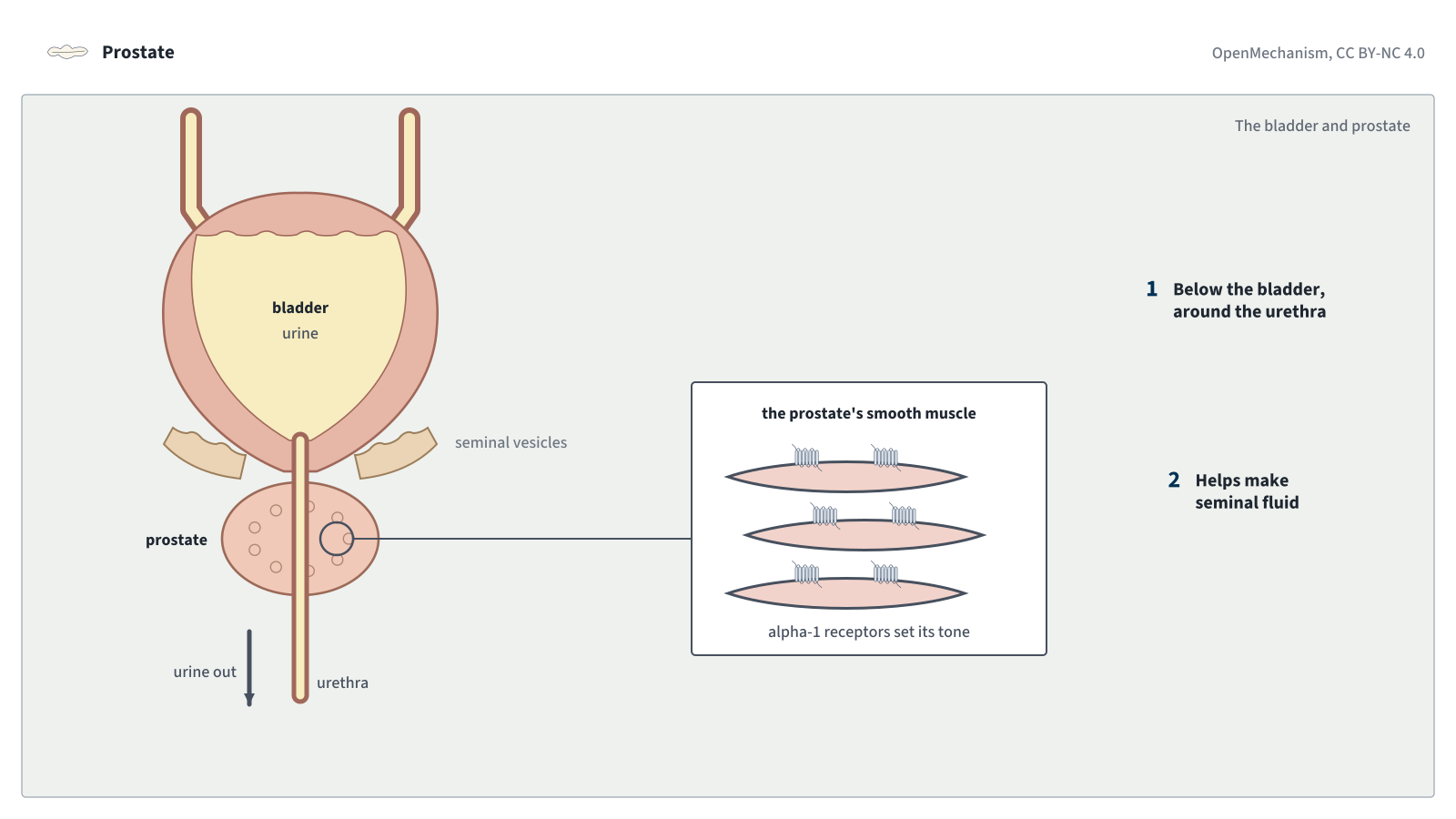
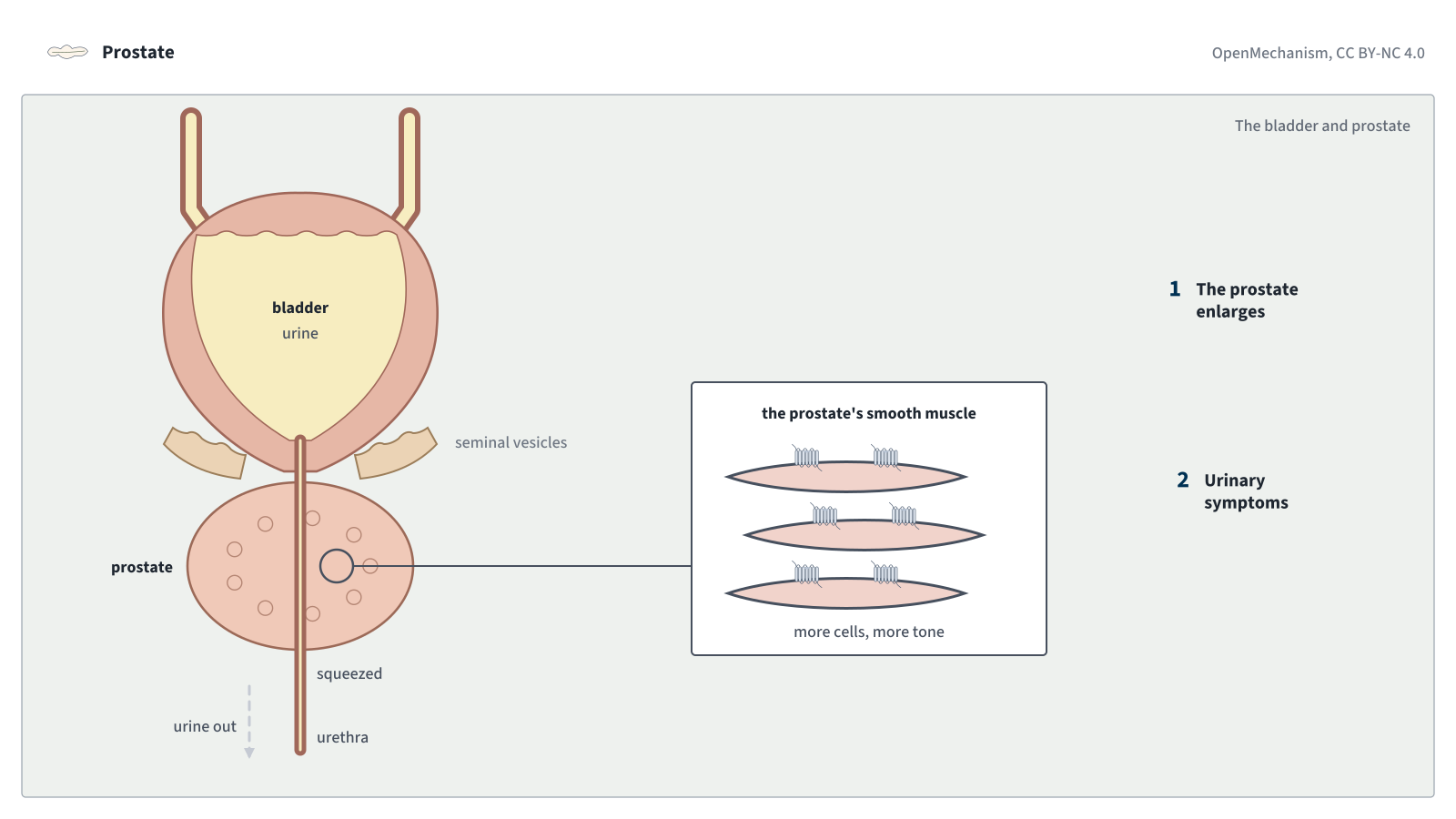
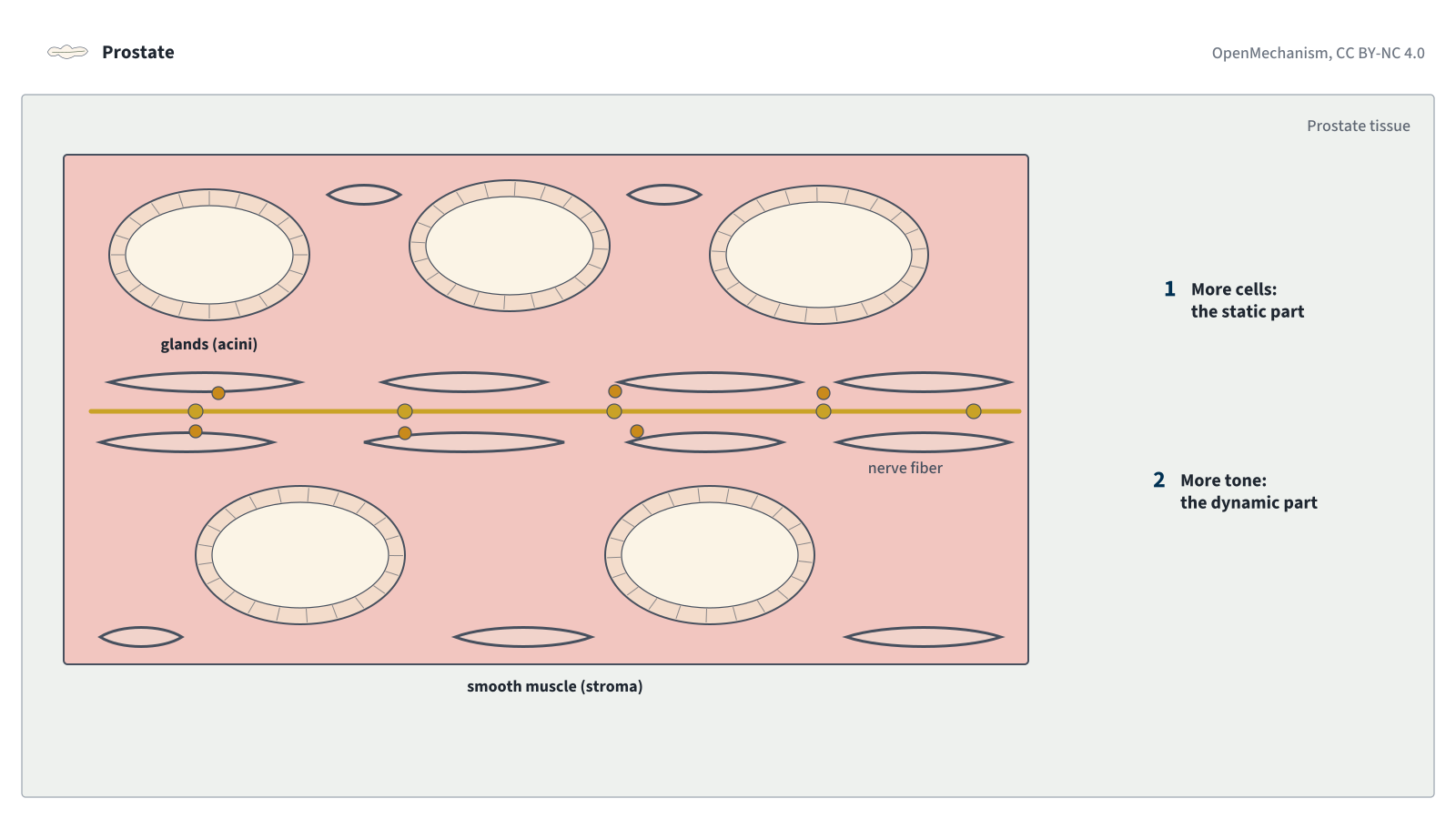
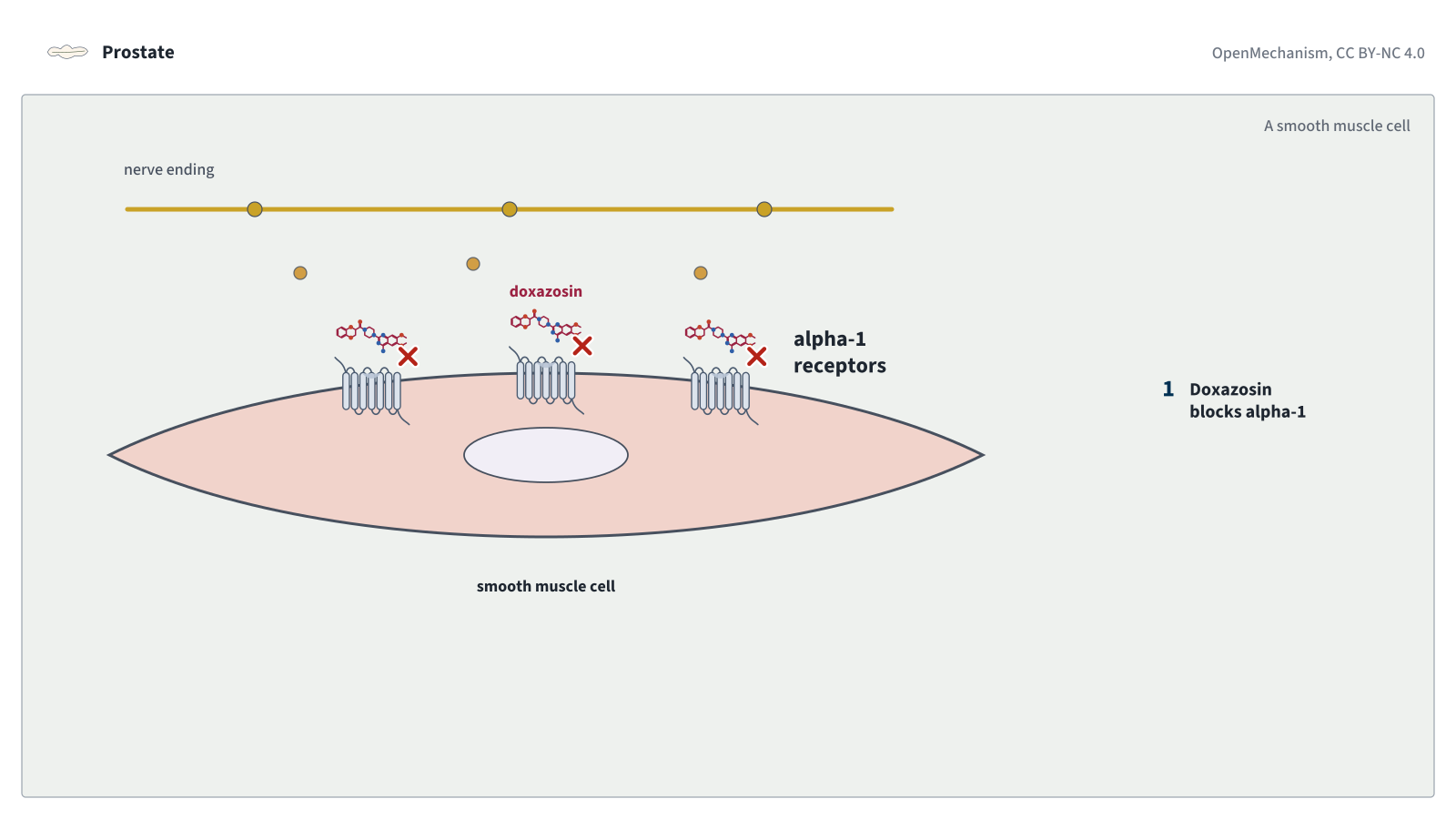
The prostate enlarges. In benign prostatic hyperplasia (), common in older men, cells in the prostate's transition zone multiply and the prostate enlarges.3
What the source says
“Benign prostatic hyperplasia (BPH), which causes lower urinary tract symptoms (LUTS), is a common diagnosis among the ageing male population with increasing prevalence.”
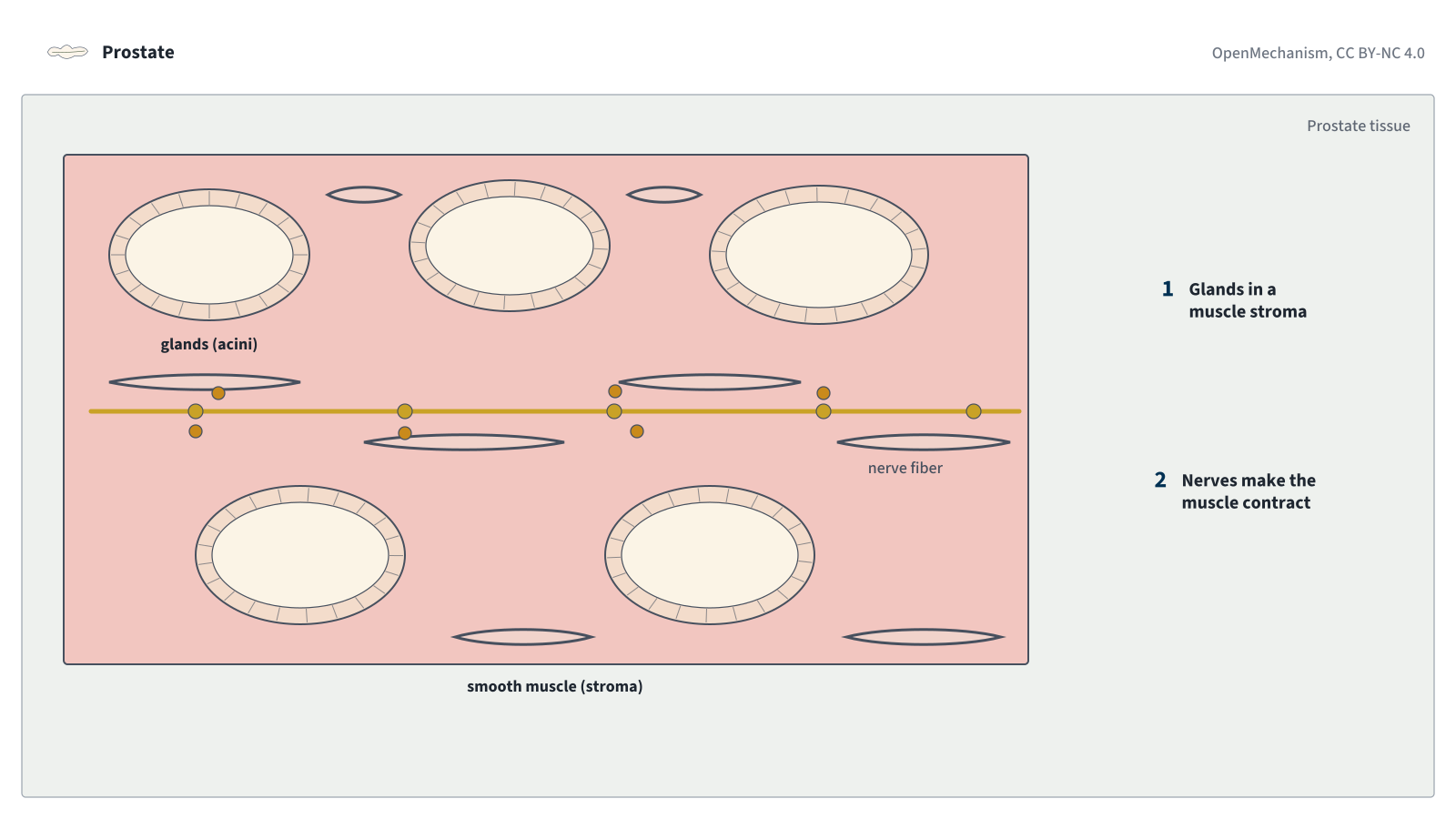
“BPH occurs when both stromal and epithelial cells of the prostate in the transitional zone proliferate by processes that are thought to be influenced by inflammation and sex hormones, causing prostate enlargement.”
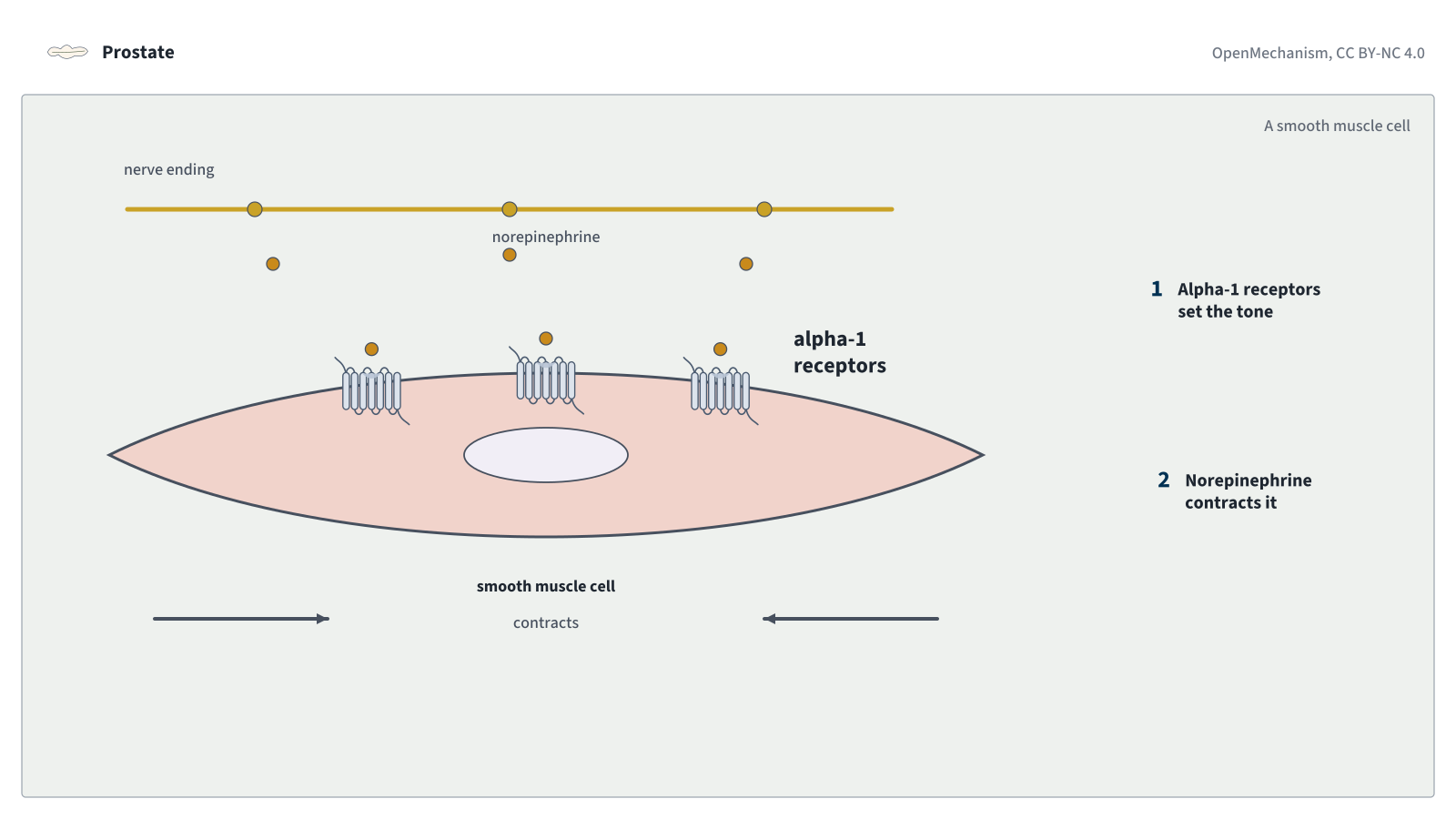
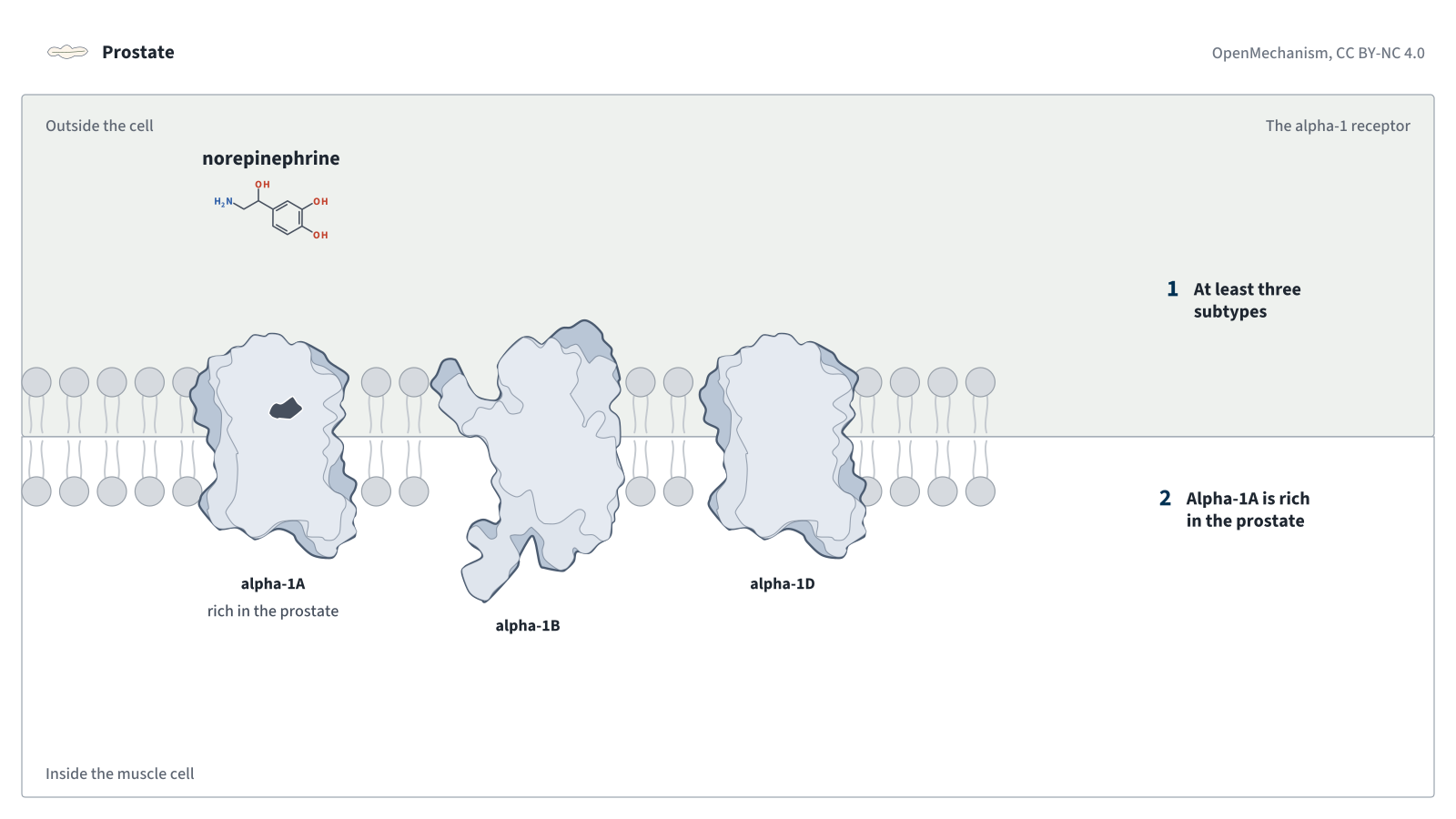
Alpha-1 receptors set the tone. Alpha-1 receptors, packed densely in the prostate's stroma and capsule and in the bladder neck, set the muscle tone there.4
What the source says
“The degree of tone in this area is mediated by the alpha 1 adrenoceptor, which is present in high density in the prostatic stroma, prostatic capsule and bladder neck.”
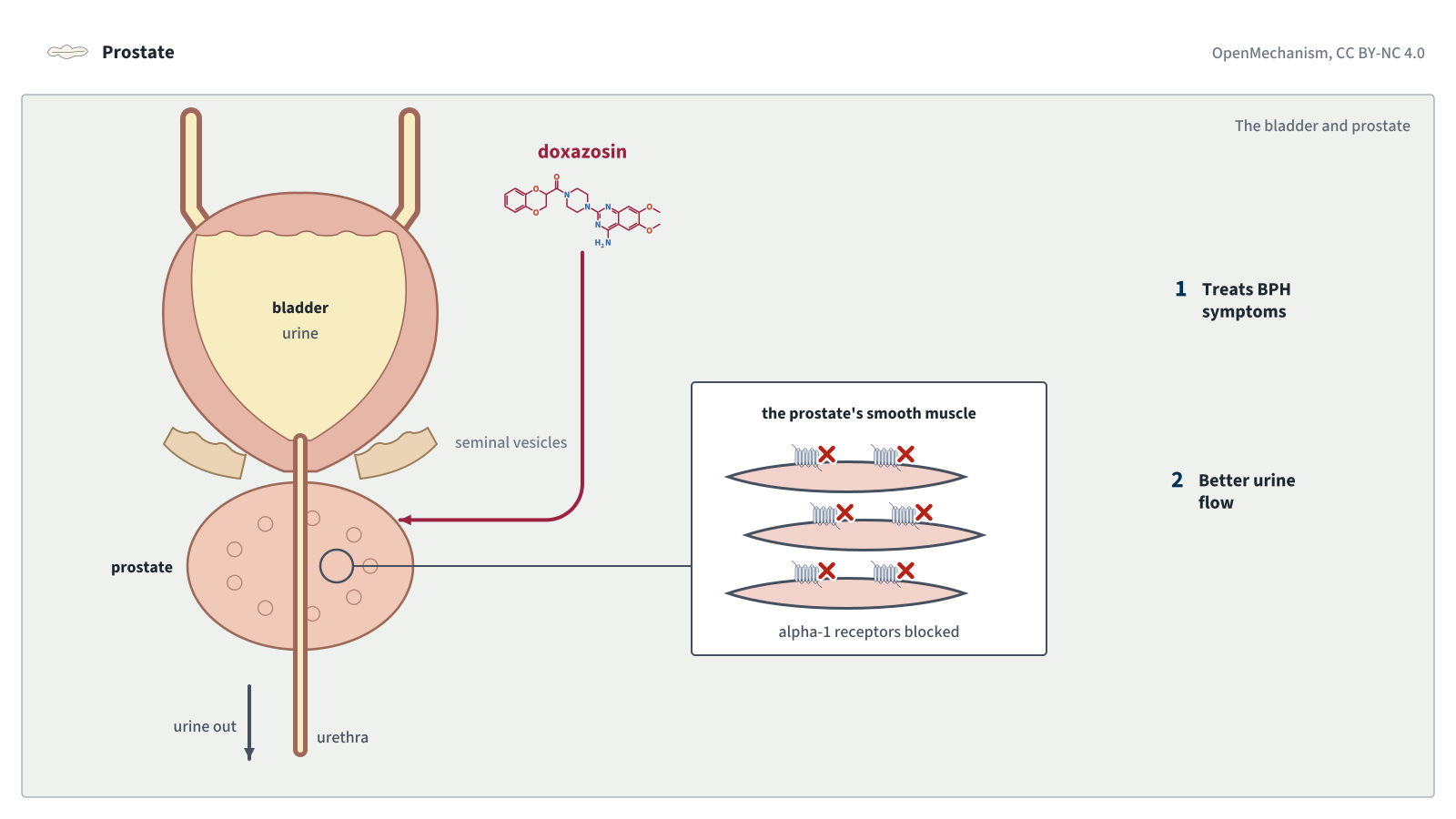
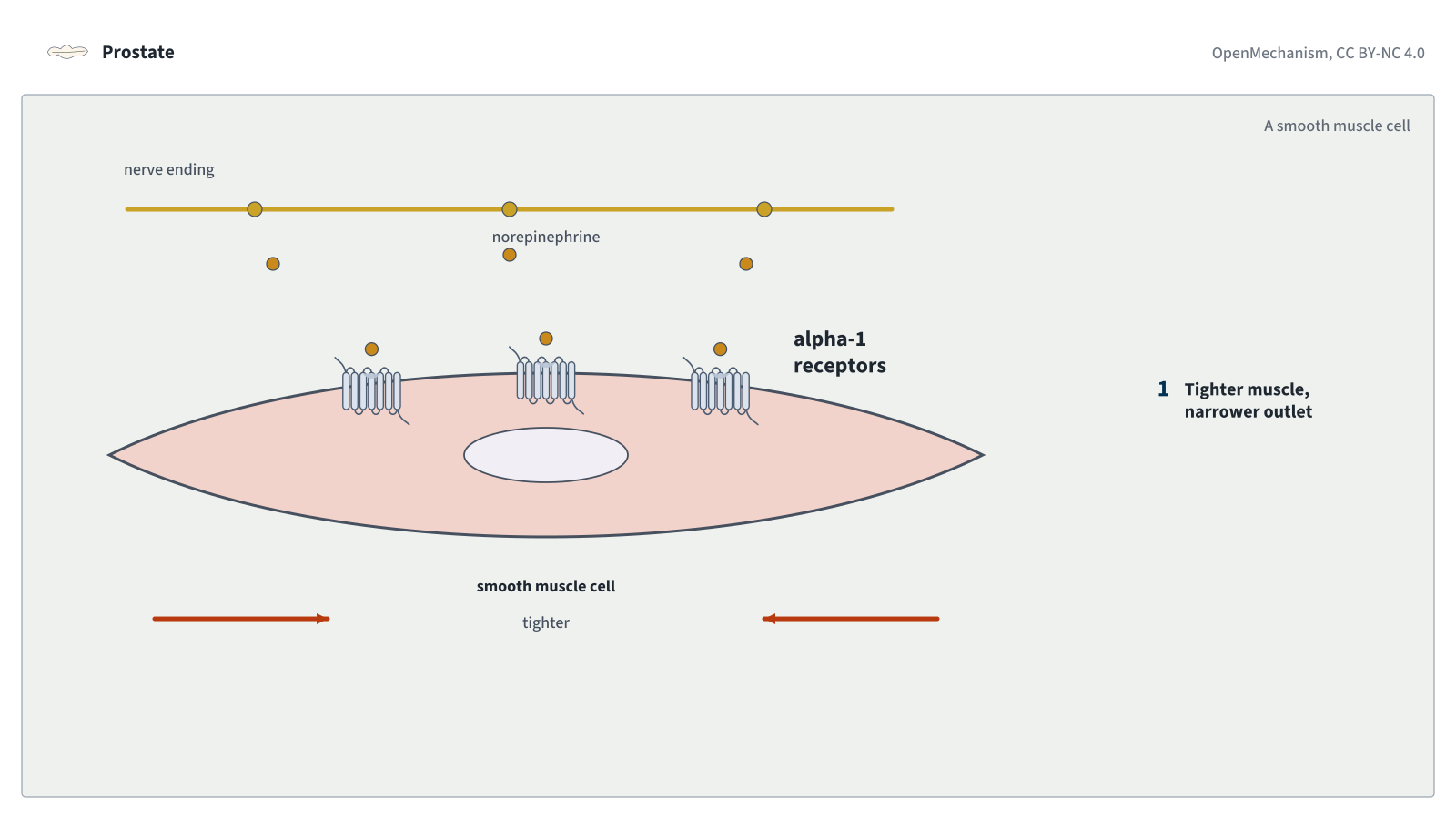
Tighter muscle, narrower outlet. Alpha-1 receptors make the bladder neck, urethra and prostate contract, raising resistance at the bladder outlet, especially in older men with enlarged prostates.7
What the source says
“promote contraction of the bladder neck, urethra and prostate to enhance bladder outlet resistance, particularly in elderly men with enlarged prostates.”
Schematic, not to scale. Alpha-1D outline from the alpha-1A receptor, of the same family (no alpha-1D structure). License CC BY-NC 4.0.
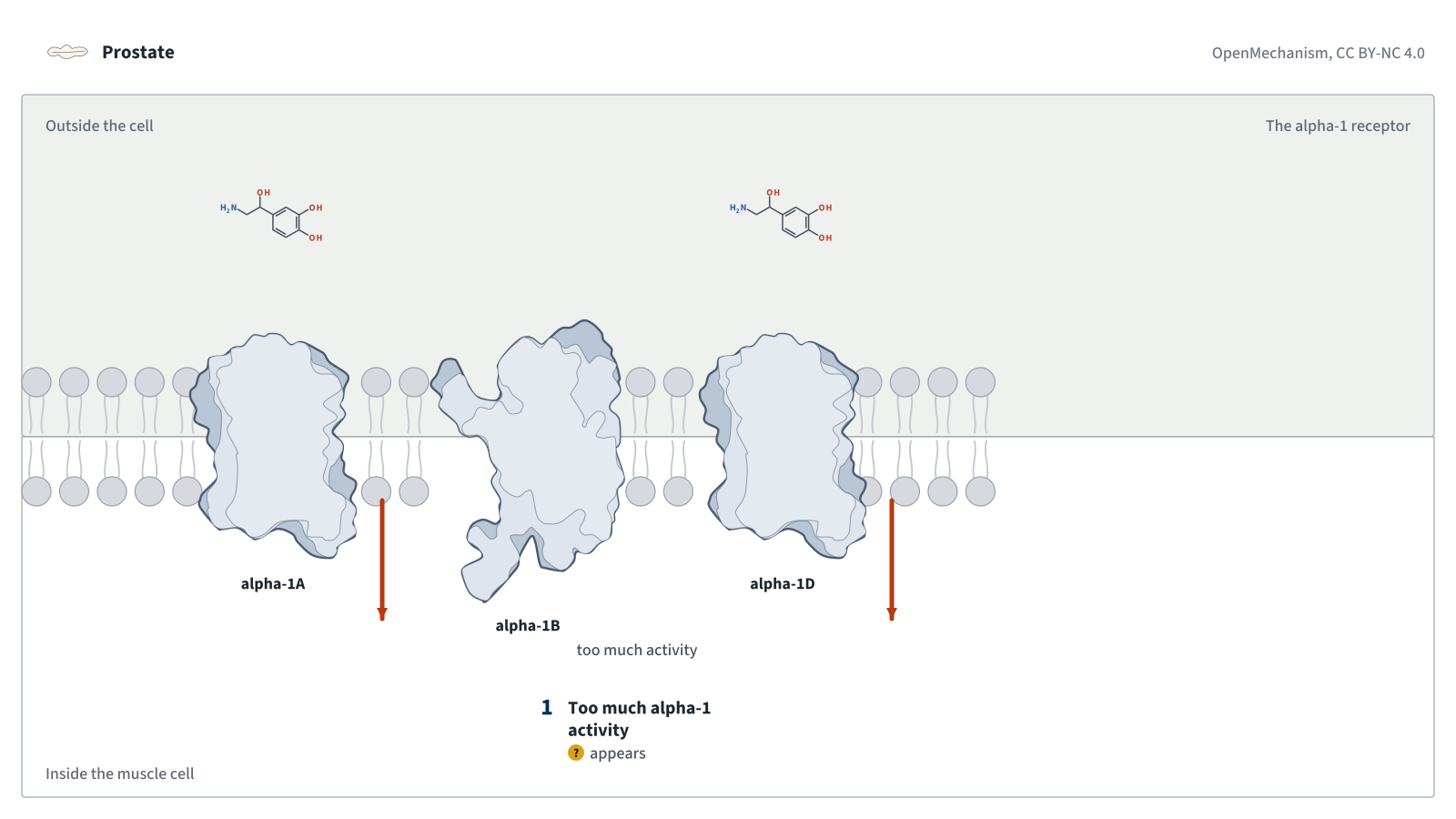
?Step 1: appears
Roehrborn and Schwinn's review says: Since excessive activity of the alpha1aAR and alpha1dAR subtypes appears to be a common feature in symptomatic BPH and alpha1aARs are enriched in prostatic tissue, drugs that demonstrate high alpha1aAR selectivity have attracted attention.
Clinical study: In a randomized trial of tamsulosin, which blocks alpha-1A receptors, or placebo in 756 men with benign prostatic hyperplasia; the trial measured symptoms and urine flow, not alpha-1 activity in the prostate: Statistically significant improvements in all efficacy parameters were observed in tamsulosin-treated compared with placebo-treated patients.Lepor H, Urology 1998 (PMID 9609623)
This study was picked with a literature search and is not yet checked by our reviewer.
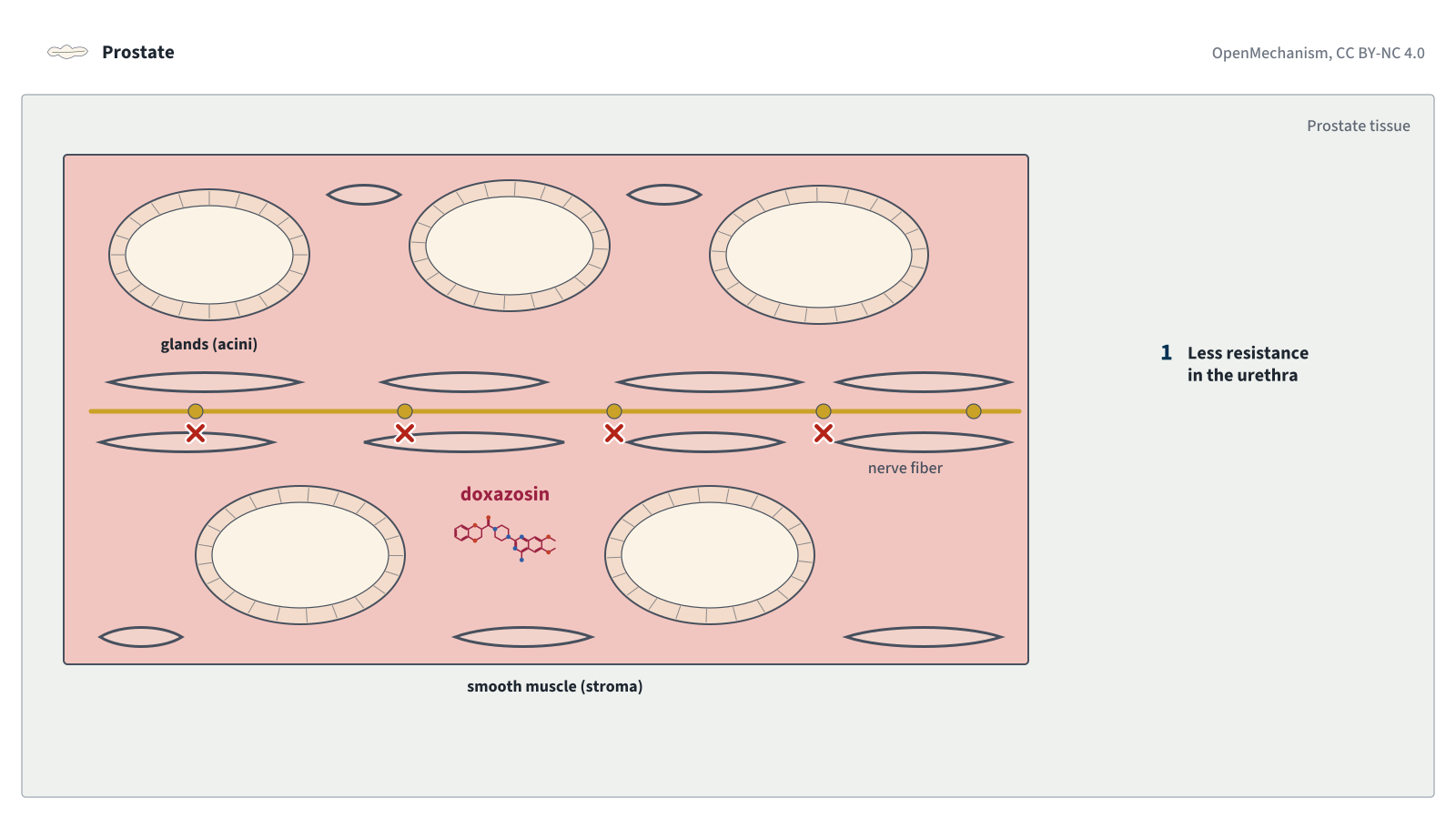
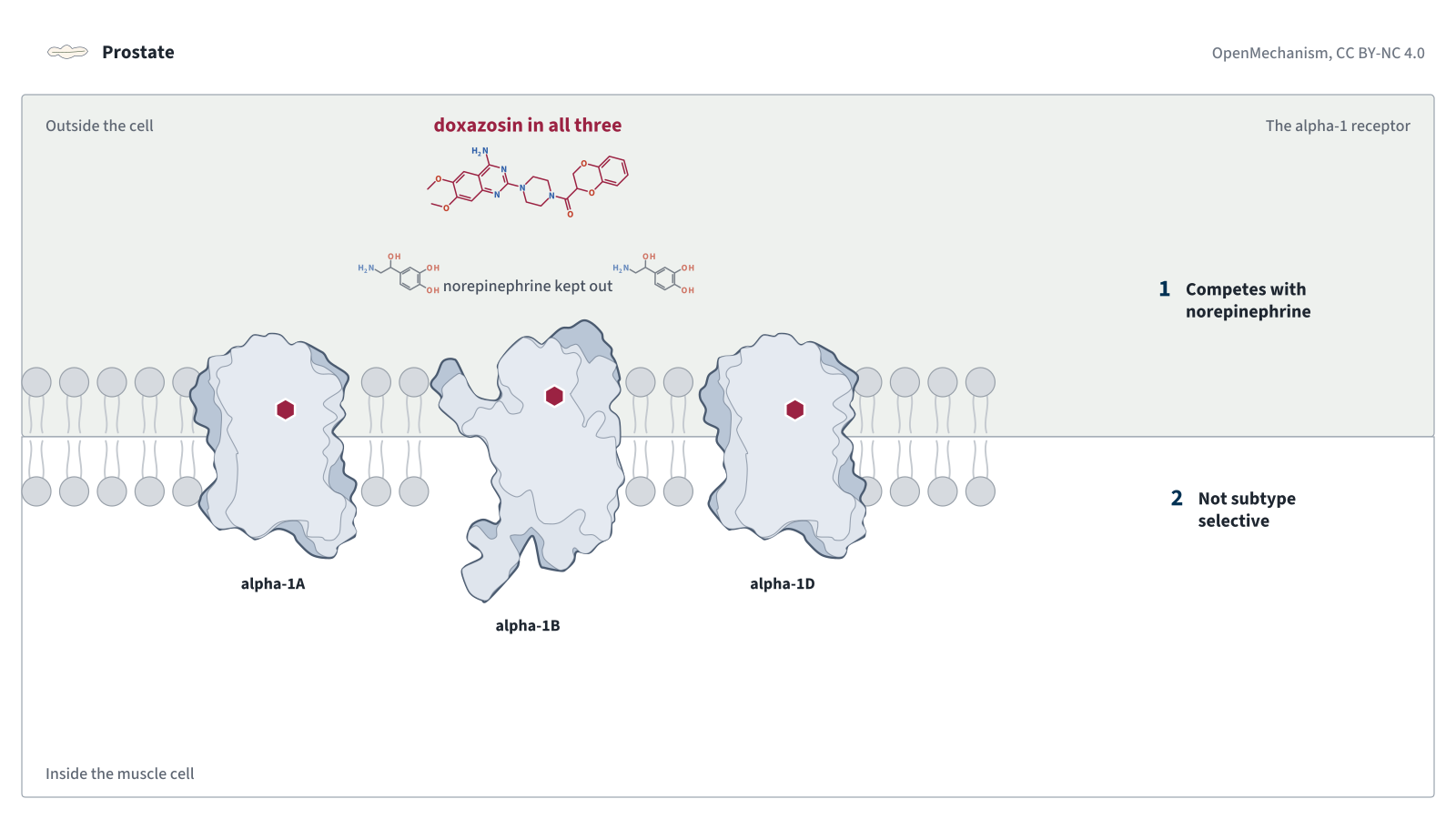
Not subtype selective. Doxazosin does not pick between the subtypes; tamsulosin, which favors 1A and 1D, works about as well.8
What the source says
“Tamsulosin, which has high affinity for alpha1aAR and alpha1dAR subtypes but not for alpha1bAR, shows efficacy similar to the nonsubtype selective agents terazosin and doxazosin.”
Alpha-1 adrenergic receptor. Alpha-1 adrenergic receptors come in at least three subtypes, A, B and D; alpha-1A may have a main role in prostate obstruction, alpha-1B in tightening arteries.
BPH
Benign prostatic hyperplasia. Enlargement of the prostate, as its stromal and epithelial cells multiply.
Tran D. Muscle tone in the prostate [Internet]. OpenMechanism; 2026 [updated 2026 Oct 16; cited 2026 Oct 16]. Available from: https://openmechanism.com/body/scales/urinary